Thursday 23 July
A day working from home. It’s been quite pleasant being with the family at home midweek. We have seen a lot of each other over recent months, but we never tire of each others company.
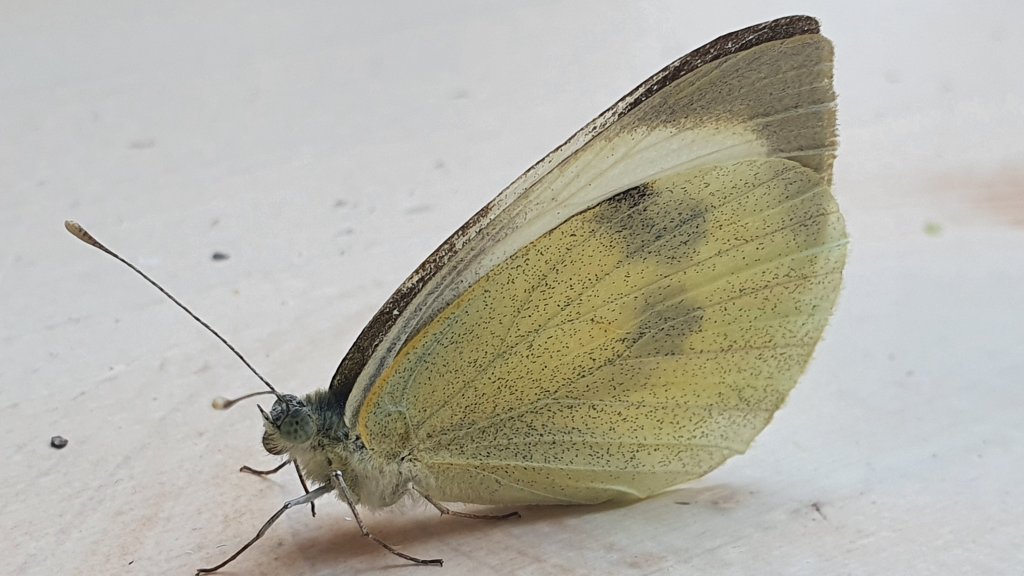
A butterfly fluttered into the house this afternoon whilst I was at my laptop and set down right in front of me.
I have been trying to capture some pictures of butterflies over the past few weeks but have struggled. They’re so jumpy and evasive and once in the air can cover a fair distance pretty rapidly.
My memory of butterflies as a kid was that they were very slow, quite clumsy looking creatures in flight. And very slow on the uptake when it came to evading capture.
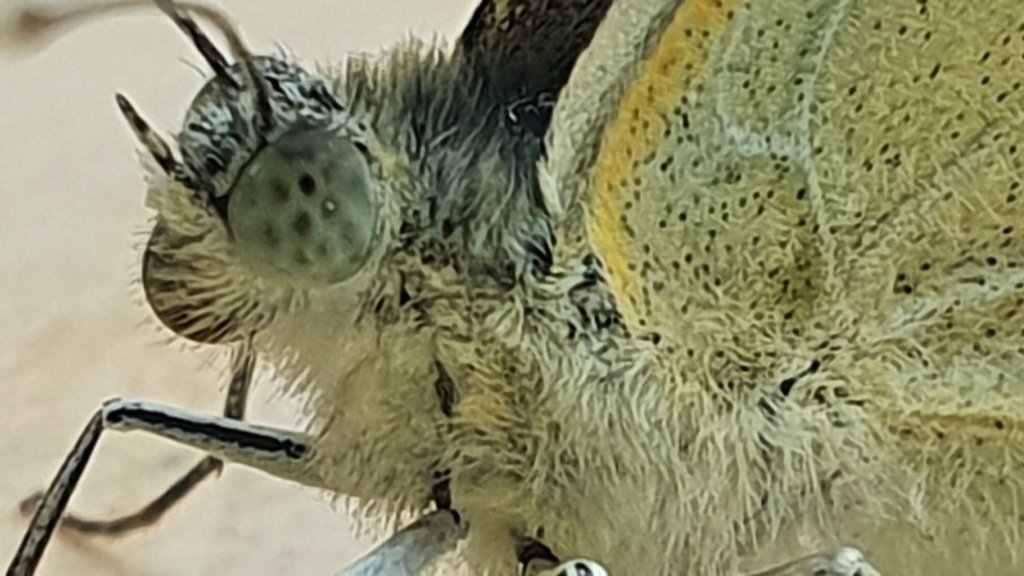
This one seemed to know my quest had been challenging and thought it would sit for me to take as many pictures as I wanted, and from any distance.
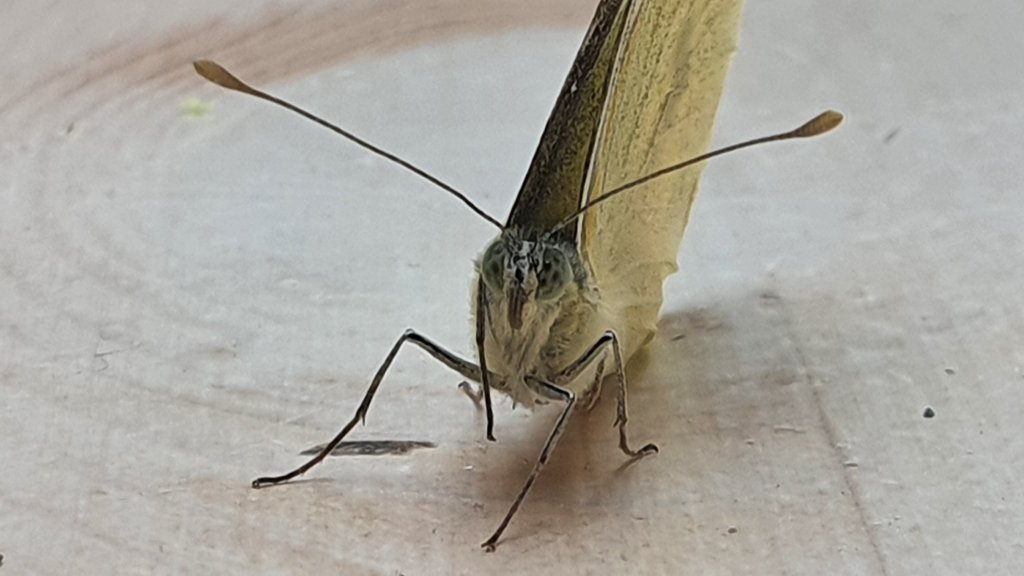
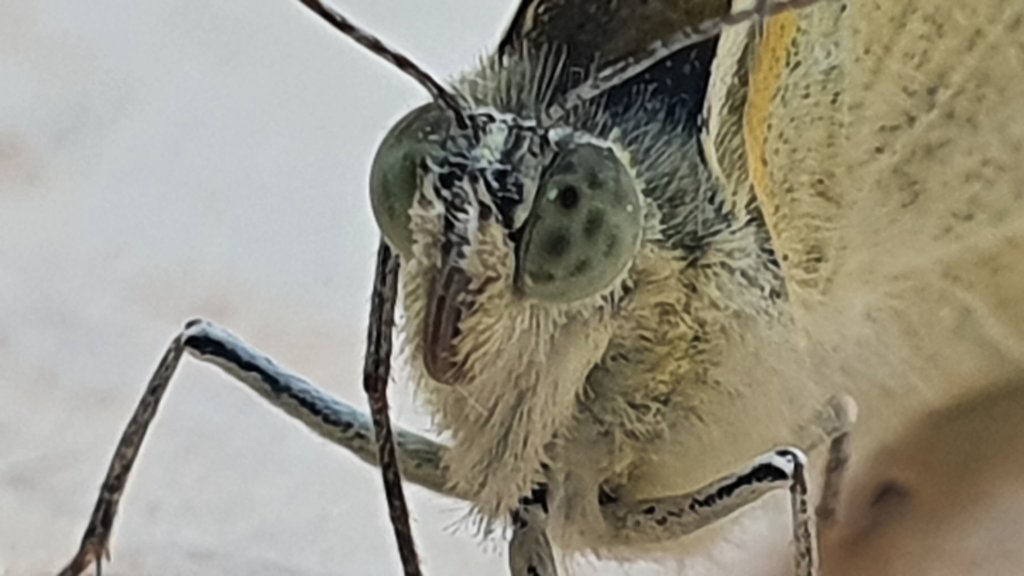
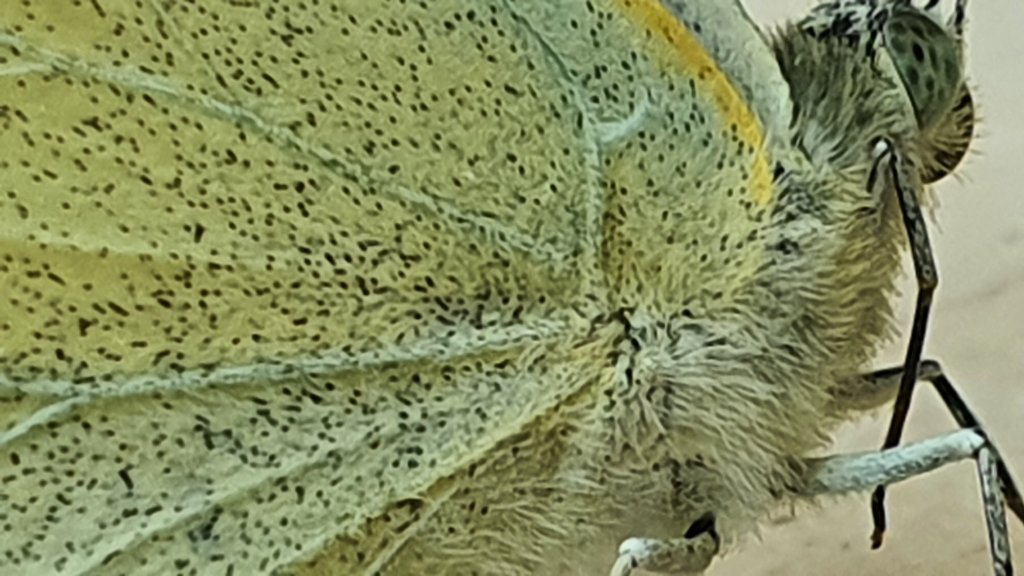
I was fascinated by the pigments of it’s wings and the mottled patterning. Also, of that amazing mouthpiece and eyes. The surprisingly long antennae and the mouthparts that resembles some kind of machinery. But those eyes, each one looks like it is made of many eyes behind a plastic dome. These are it’s compound eyes which provide the majority of it’s sight.
 The Bald Birder