Thursday 30 July
I read a couple of shocking articles this morning that made me too upset to be sad.
In the slums of north-east India, the Greater Adjutant stork mixes with humans to forage in the rubbish tips for food. They also roost there at night.
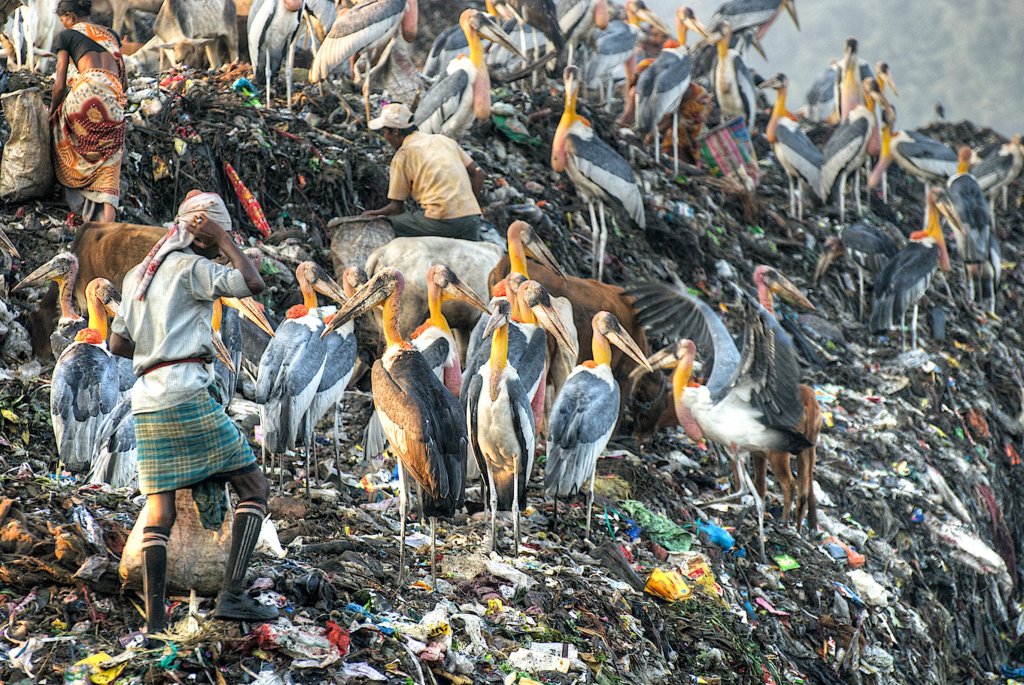
The storks’ wetland habitat is being destroyed by humans smearing their mucky influence wider and wider. This, sadly, gives the birds no other option than to drop any fear of the creatures that have destroyed their homes. And move in with their noisy, polluting neighbours.
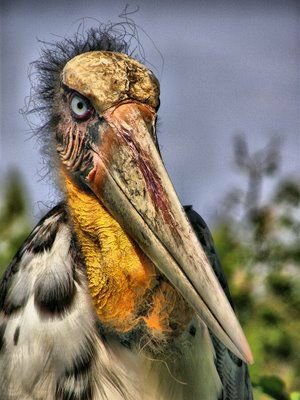
The bad news sadly doesn’t end there. You see, these birds are now considered pests and the way they look does little to endear them to the locals peoples’ affections. There are believed to be only around 120 mating pairs remaining.
It’s hard to refute, that compared to other birds (other storks even), it’s not going to win any beauty competitions. It has a bald head, an orange undulous neck, no song to sing about, and a stiff gait that gives it it’s militaristic name. But we humans have (generally) turned our gaze shamefully away from ‘different’ or what we perceive to be ‘ugly’. I’ve done it myself. And even in this blog I celebrate the ‘beauty’ of what is around us; but it’s more about the ‘incredble-ness’, rather than beauty. Beauty is the diversity; of size, colour, behaviour, adaptability, history, variation, interconnectivity.
Reading about our stork makes me too upset to be sad. Of course, it’s easy for me to complain and judge from a distance. But, closer to home, urban foxes raiding litter bins, seagulls and pigeons feeding off food scraps we throw on town pavements. We must think twice about why those animals are living so closely to us in the UK and question what forced them to adapt their behaviour in the first place? Mirror anyone?
Then, the shark. Alongside the big cats and snakes, probably the most feared creature on the planet. But this fear, bordering on hysteria amongst some, is of course an irrational one.
In 2018, shark attacks accounted for four deaths worldwide. To put this into context, on average, ants kill 30 people a year, and bees around 470. Shark numbers are falling.
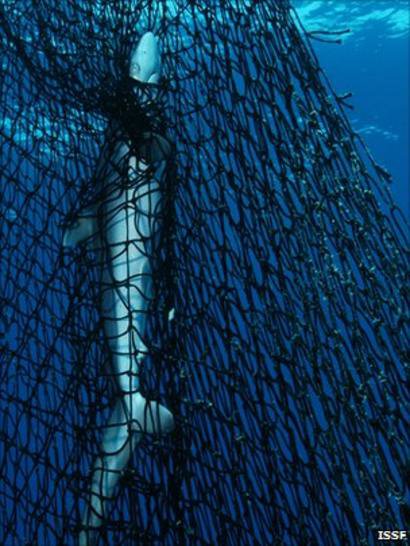
We kill millions of sharks each year. Some are hunted for their fins, skin, liver etc. Others are caught up in industrial sized fishing nets; tuna trawling nets bag five sharks for every ten tuna fish. Incentive alone for checking the tin for ‘line-caught’ the next time I am at the supermarket.
http://www.bbc.co.uk/news/science-environment-13346107
And, of course, that’s what it all boils down to. Our pursuit of a convenient and expansive existence at the expense of everything else. We seem oblivious at times, to the impact we are having on the world around us. And we won’t notice it until it’s gone, and far too late to correct it. We have history there too.
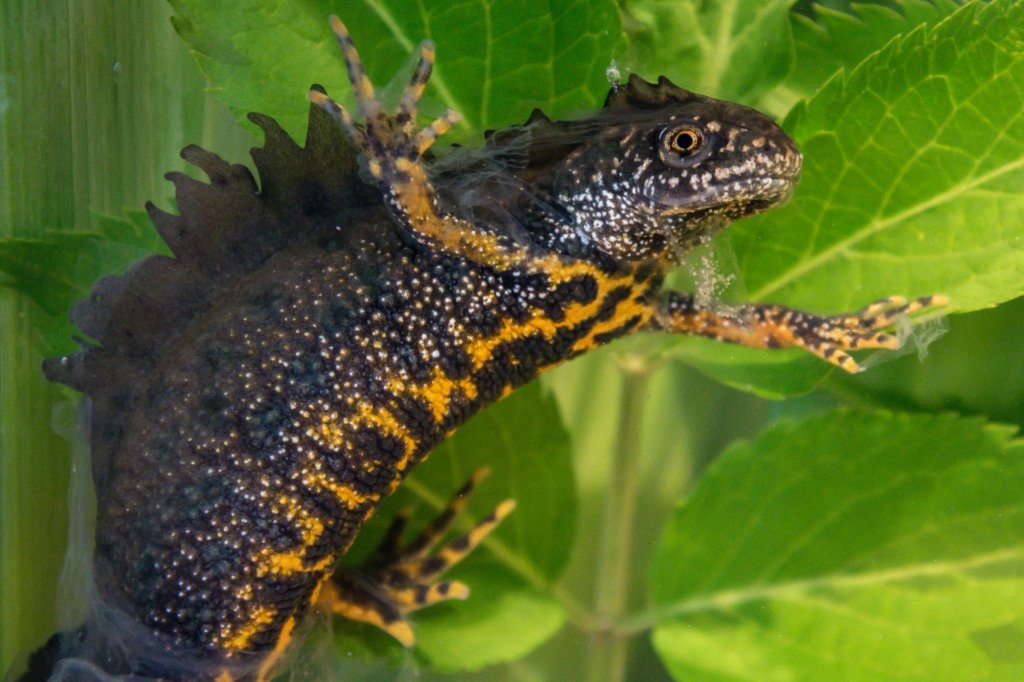
I was part of a conversation recently at my previous work place. A building extension was being planned to a school but was delayed and possibly going to be cancelled altogether because of the discovery of Great Crested Newts on the site. To most around the table they were referred to as ‘bloody newts’. I felt I had to step in to defend the newts and the laws that would eventually lead to the project being cancelled. We are lucky in this country to have really tight regulations that protect our natural spaces and respect their inhabitants, flora and fauna. I simply asked my colleagues “What would the kids say, if you told them that we buldozed away this endangered creature and it’s valuable habitat so that they could have a new classroom?” Silence.
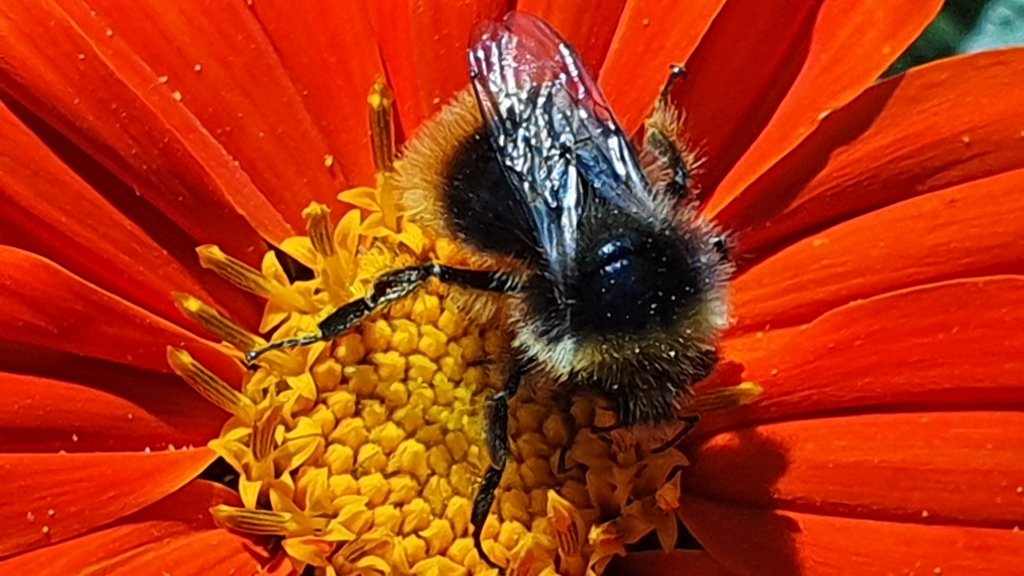
I know I’ve gone a bit ‘Dave Angel’ in this post. Back to normal tomorrow. But in the meantime, and to wallow a little in the sheer perfection of nature under my nose, whatever it looks like…
 The Bald Birder