Wednesday 05 August
I have mentioned before how the things that are commonplace are so easily taken for granted. This pandemic has granted me time to stop and stare. And it’s the things that surround us all the time that are turning out to be the things that are fascinating me the most.

So, I am sat outside supping my second coffee of the morning while the wind swirls around and the sun bakes down. This post is going to be a little homage to the humble wood pigeon.
1. Communication. The pigeon has a limited number of calls. I’m listening to the classic combination of five connected purrs as a wood pigeon one now sitting in the tree next to me. Bur-burrr-burrr-bu-bu. These can repeat and are the perfect background sound to an eyes-closed doze on a summers day. I love the way the repeat of this combination of notes often ends on the first one of a new ‘line’; Bur-burrr-burrr-bu-bu-bur. They have also communicated on our behalf too, but more about that below.
2. Taking-off and landing. I can’t help but think they are the clowns of entrances and exits. The clumsy way they crash into the trees to roost or flap hysterically when landing on the floor. And the mayhem of sound that accompanies them when they leave a tree is almost comedic. It’s like the comedy trip of an end of the pair performer.
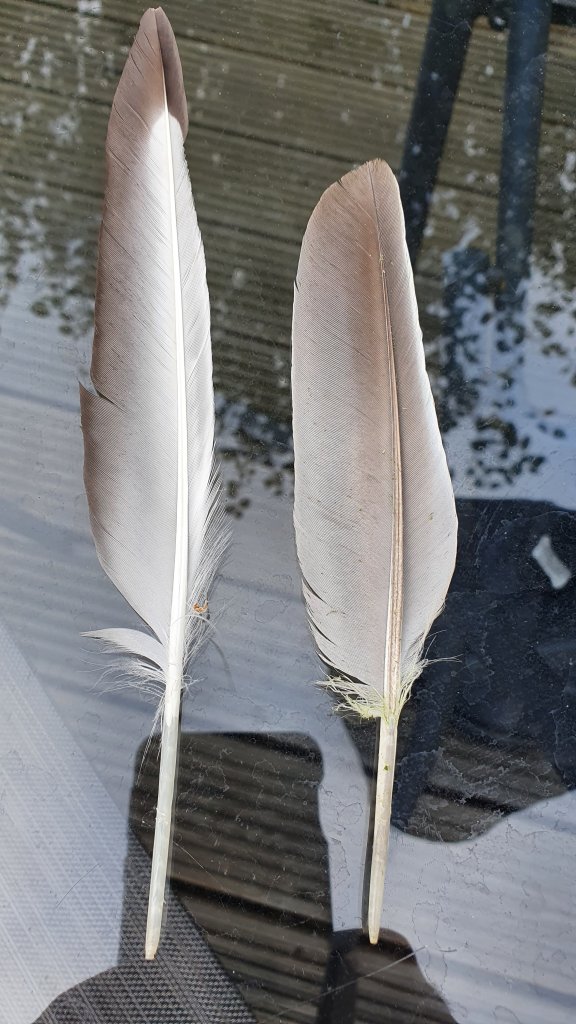

3. Flight. The clapping of it’s wings as it steeply climbs high into an oncoming breeze then silence as it pulls back the wings ever so slightly, spreading it’s primaries, before gliding steadily down and leveling out. If it had a smoke canister attached (aka red arrows) it would draw the exact rise and fall curve of the coronavirus pandemic. They seem to do this for fun. They can be incredibly fast, they can swoop and corner with the best of them.
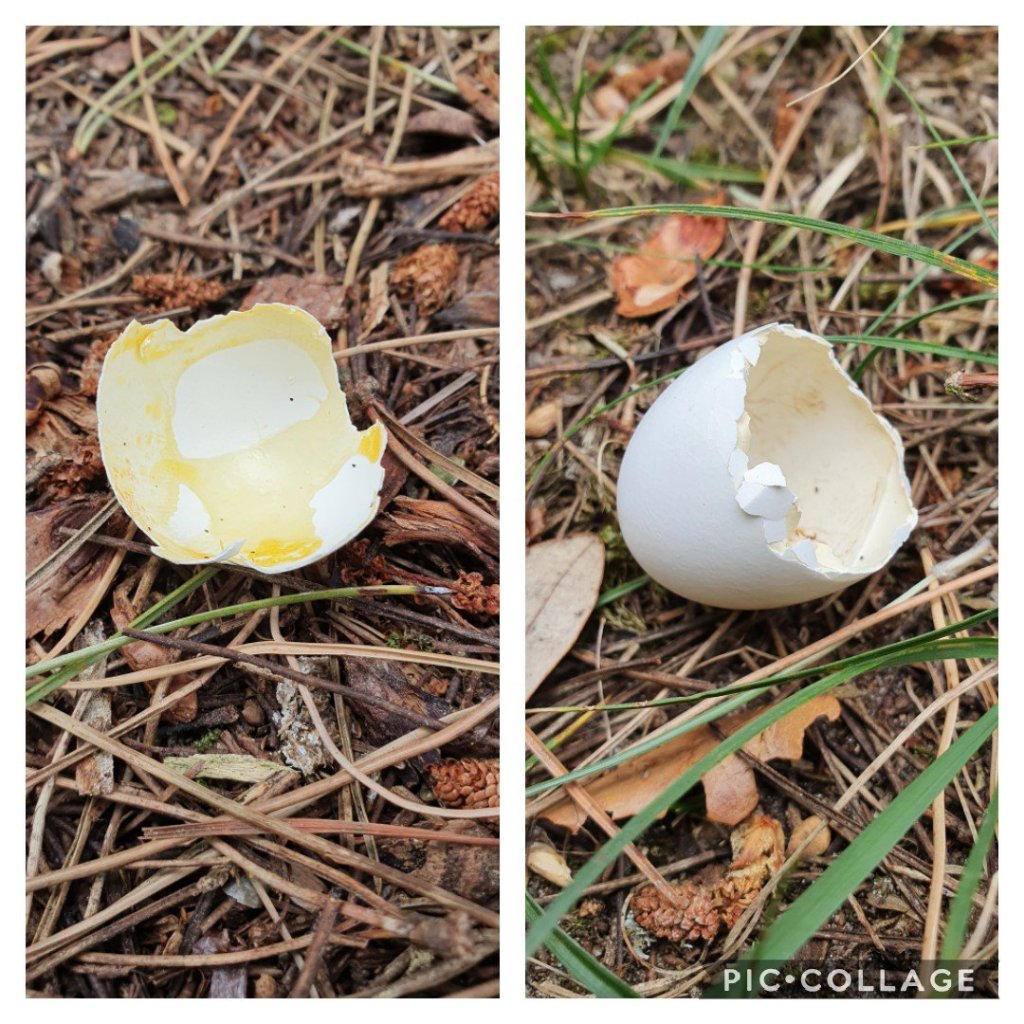
4. Success. They are such an adaptable and intelligent bird and their numbers are incredibly healthy. They live alongside us and benefit from this. They are also prolific breeders having upto five clutches each year. They tend to lay one or two eggs each time and both parents can produce crop-milk to feed the young chicks. Adults remove the spent white shells and drop them around 100m from the nests when hatched. This gives a decoy to predators that young are in a nearby nest. Their success means that others higher up the food chain also benefit such as the Peregrine.
5. Symbolism. Pigeons and doves belong to the family Columbidae. It’s often said that doves are just pigeons with good PR, and indeed many cultures do not distinguish between them using on or the other word only. We tend to refer to the smaller varieties as doves. They have been well represented throughout the ages as bringers of peace and hope, and have figured in ancient Greek and Roman art. They are also prominent in Islamic and Christian texts.
6. Friends of ours. Pigeons and doves have been trained to deliver messages for us in some of the most dangerous of places and have saved lives. After the last two world wars they have even been honoured with medals for their service. Their are also plenty of people who race pigeons as a pastime.
So, here’s to the humble pigeon. I will never, ever take you for granted, my little friend.
 The Bald Birder