
Thursday 29 October
Its not lost on me that whilst discovering so much more about my local area, I am using the global world wide web to understand it in more detail. My legs do the walking and my eyes and ears take it all in, wowing at the beauty and the marvel of it all. Then I follow it all up with some reconnaissance at home, looking up this and that, identifying this flower or that mushroom.
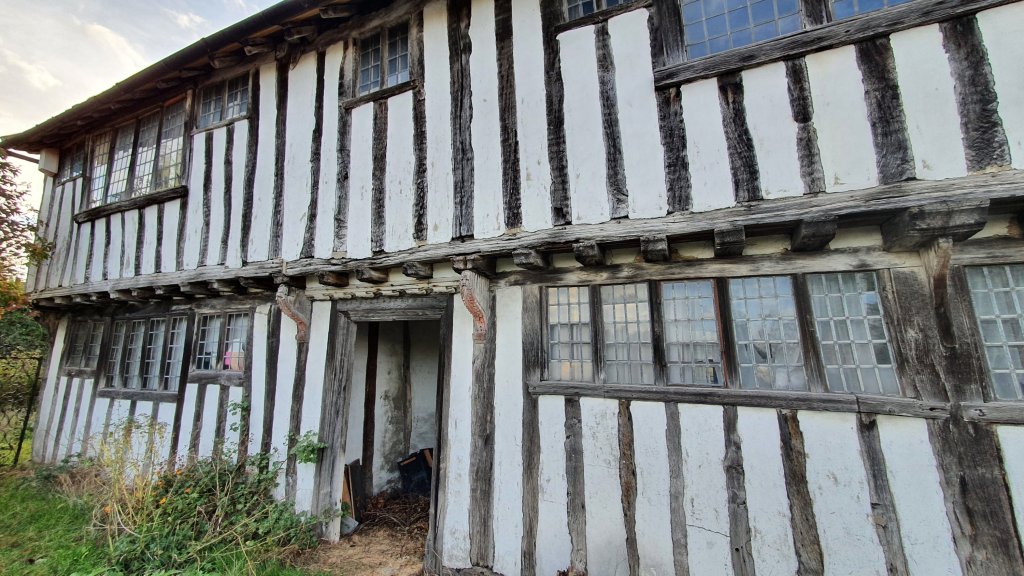
The other day we went for a walk in the neighbouring village of Stratford St Mary and walked past this rundown Tudor house. It was pretty shabby and the front garden was unkempt. The chimney stack looked as though it could crumble and fall at any moment and the roof looked far from secure.
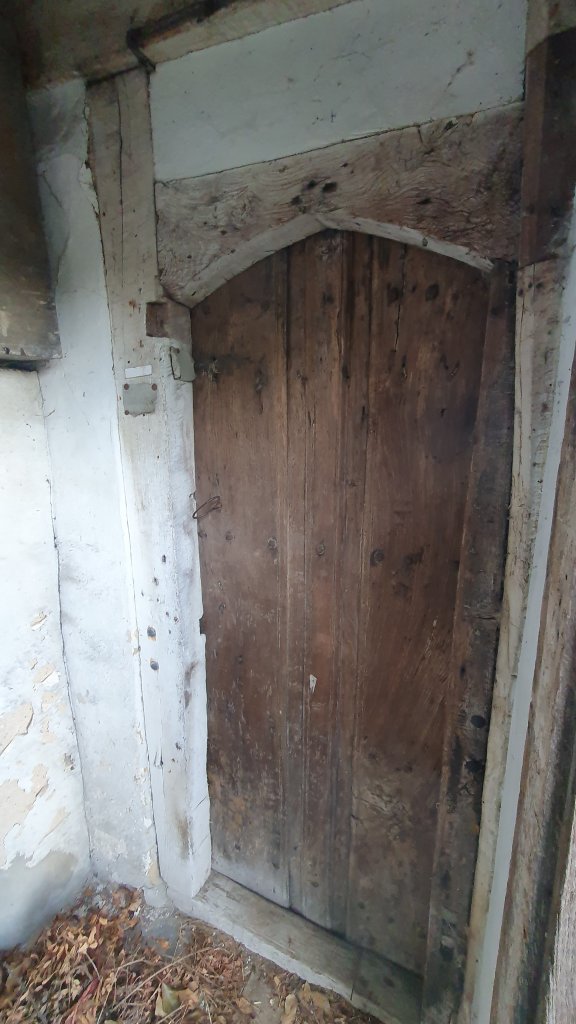
The porch was scattered with leaves from several Autumns and the window frames looked like they would be lucky to survive another winter. It looked every bit of the four hundred or so years that it was. But the house had been built and lived in. The finger prints of four hundred years of occupiers were on it, as were the finger prints of the craftsmen who built it in the first place. The walls would have soaked up the atmosphere of good and bad times and the windows would have reflected the faces of so many people as they looked out on to countless street scenes from the past four centuries.
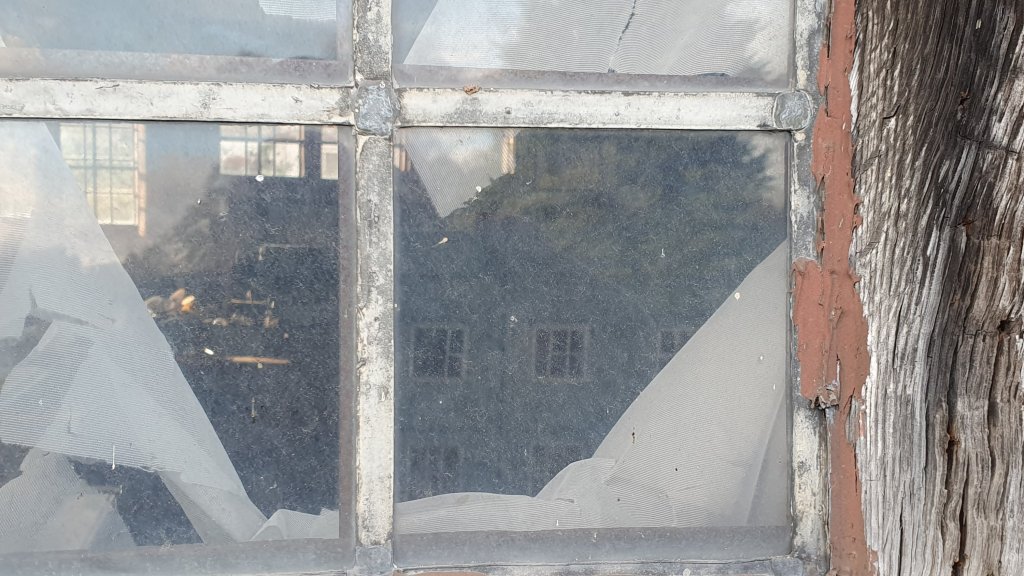
Gazing in through one of the windows it looked creepy. Really creepy. A doll’s house sat alone in the middle of the room. I mean, seriously. Post were slotted into another window frame with a postmark of 1995 alongside a water colour print of a Tudor woman weaving cloth. I came away thinking there must be a story with this place and if not, I would make one up. My aim is to create a ghost story that I can pass on to others in the area and see if it will become a shared story by word of mouth alone. This was the perfect place to set it, but first I needed to check out it’s back story, if there was one.
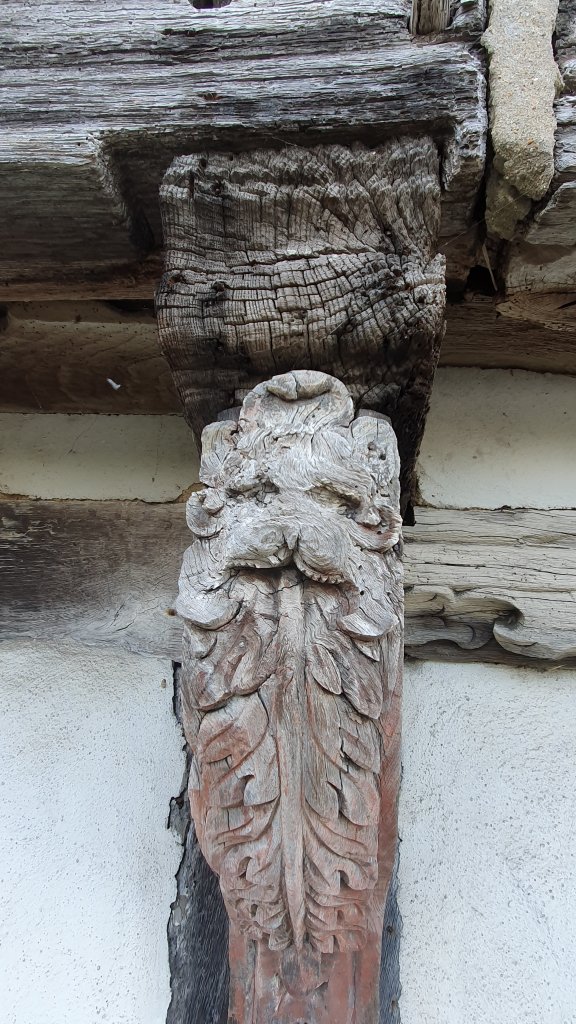
And what a story.
Weavers House was built in early-mid sixteenth century and, as the name suggests was probably owned by one of the wealthy few who made their money in the cloth trade. The River Stour, running along the back garden, would have been part of the navigable trading network linking London, East Anglia and the Midlands to cities, ports and beyond. This region was famous for it’s wool and cloth.
But it’s last owner was the most notable. The poet Ida Affleck Graves lived and died there. She is actually buried in the garden at the back of the house. She was a member of the famous Bloomsbury Group, mixing with the likes of Virginia Woolf and John Maynard Keynes. She died in 1999 at the age of 97, just before her final, well received, compendium of poetry was published – The Calfbearer. In an interview just before her death she said she would love to become a cult and was grateful for her refound. And that is only part of the story.
It goes that the house was full of laughter and happiness. The door was always open and local children would visit regularly. Ida wrote children’s books too. Something must be done to preserve that house.
 The Bald Birder