
Wednesday 18 November
On our walk on Sunday we went past Lawford church. In the churchyard, alongside the grave stones are a cluster of imposing Yew Trees. Like the crows, rooks and ravens that circle above, they maintain their dark and ominous form throughout the year never losing their stature to the seasons.
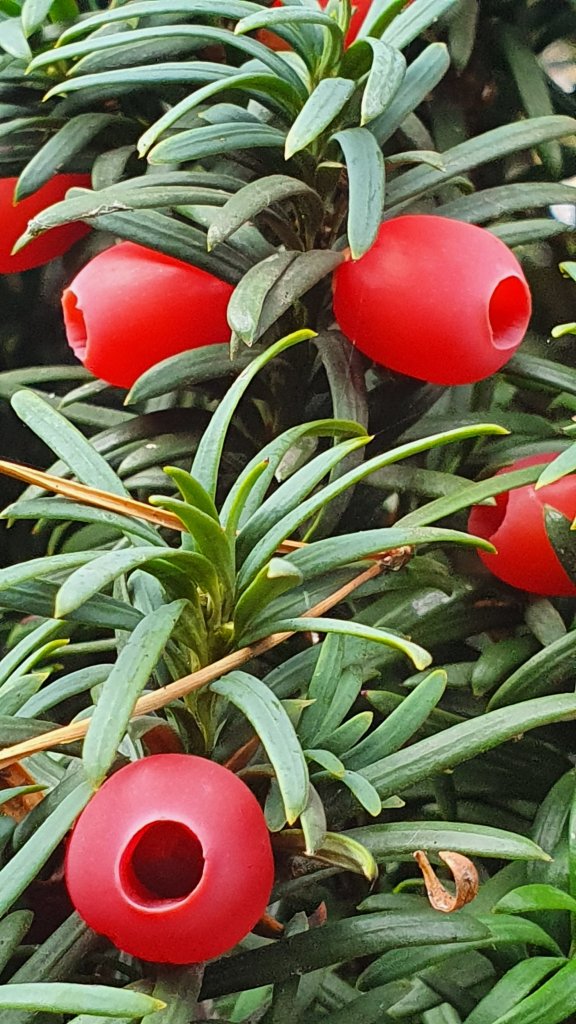
This evergreen is commonplace in British (and indeed European) grave yards. There are a number of reasons why this is believed to be. Firstly, the seeds and the leaves, especially the leaves, are extremely poisonous. Strangely, the bright red berry flesh is the only part of the tree that is not dangerously toxic. This red flesh, the aril, is eaten by thrush family birds including redwing and fieldfare. Also Badgers have been known to eat them. The seed passes through, causing no harm.
Then there is the wood, which is also toxic. It is one of the toughest softwoods around with an excellent flexibility and is also great to craft and style. This made it excellent for weapons such as bows and spears. The deadly quality was also felt by those craftsmen who worked with it. The oils in the wood are also highly toxic to both skin and respiration.
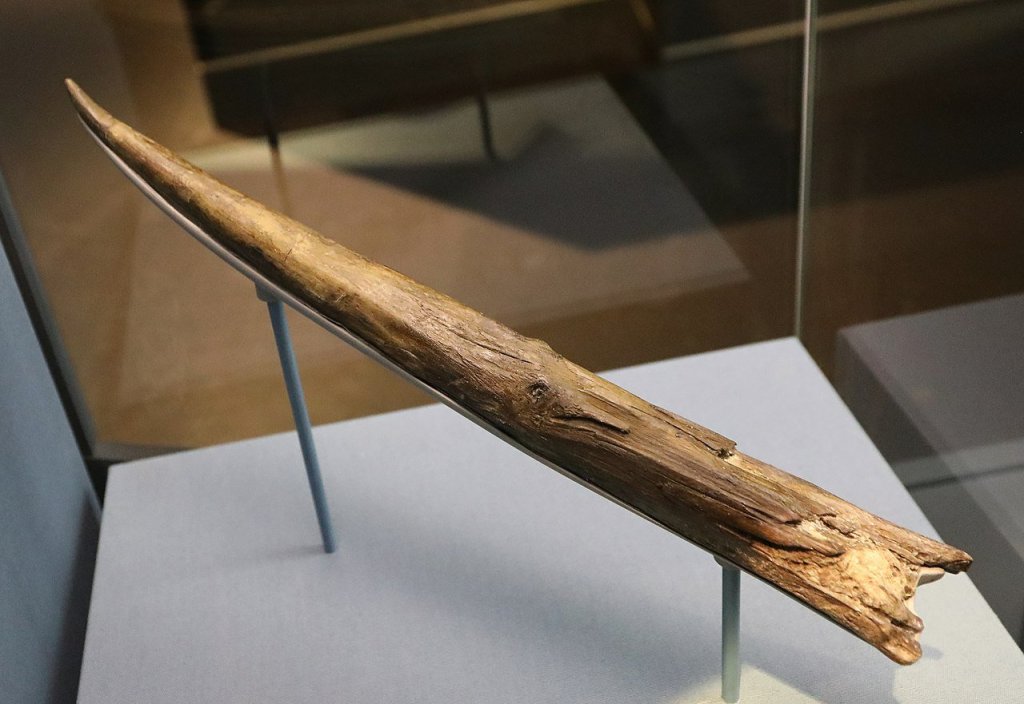
Looking into this further, I have discovered that one of the most famous examples of weaponry made from Yew wood is the Clacton Spear. It was found in Clacton, Essex in the early 1900s and now resides in the Natural History Museum in London. It is actually a spear tip and is made from a Yew that is unique to the area and indeed the time; around 400,000 years ago.
In religion they are seen as a symbol and aid to the transcendence from life to death and beyond. Their dark physical stature was considered an aid to the recently deceased to guide them to the Land of Shadows. In fact, yew tree branches are still brought to graves and tombs of the recently departed to help the spirit to move on swiftly and safely.
They also live long lives and were considered symbols of eternity or even symbols of death due to their poisonous qualities. They may also have been planted in grave yards to prevent local livestock from straying and grazing on church land. Whatever the reason, I have noticed Yew trees in a number of churchyards over the past few months when I had never noticed them before.
 The Bald Birder