Day 170

Sunday 06 September

Today felt like a Sunday that we might have had before the pandemic took hold. It felt largely normal.
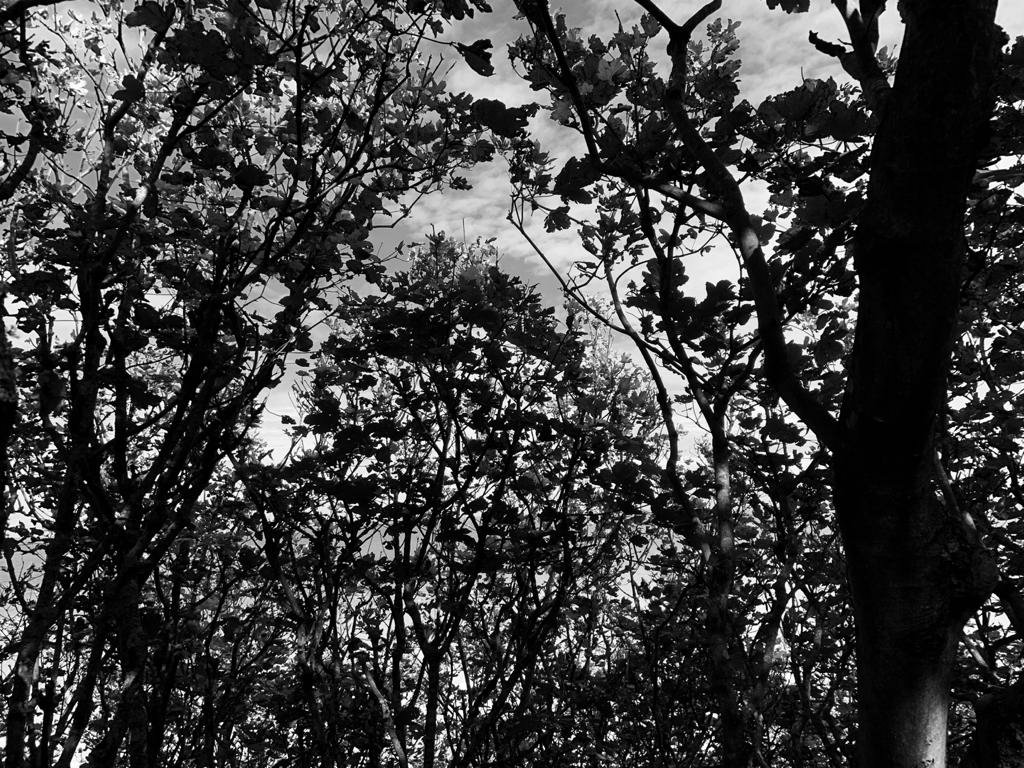
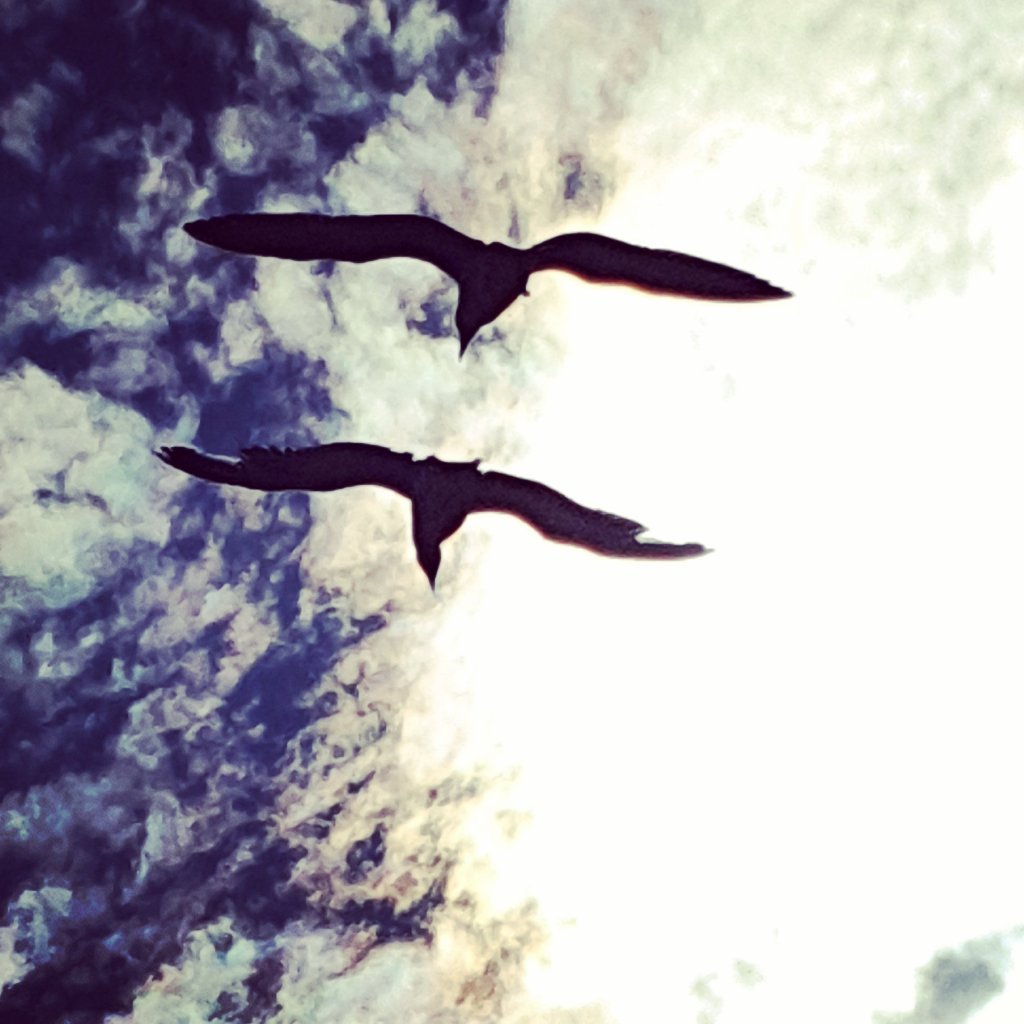
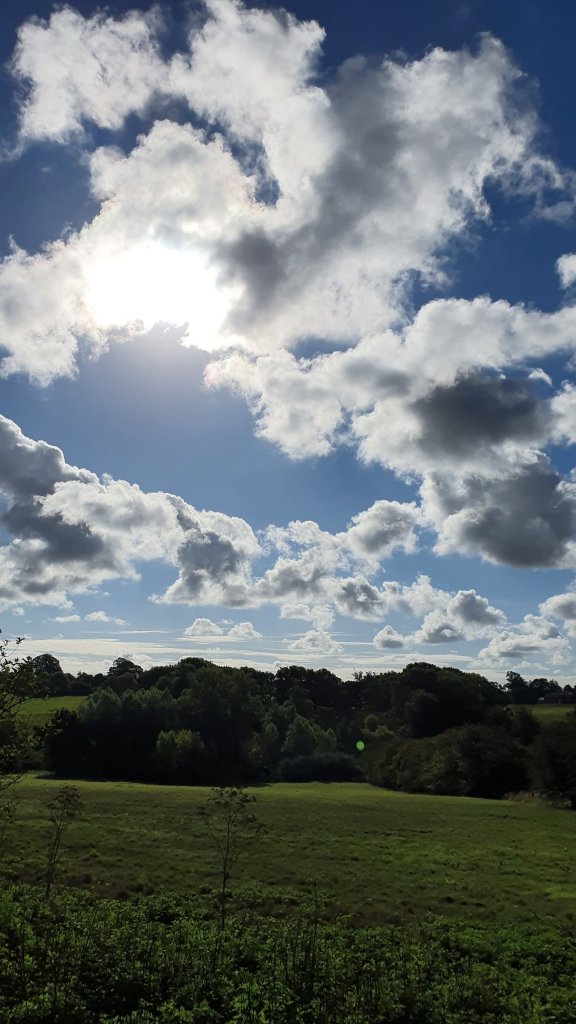
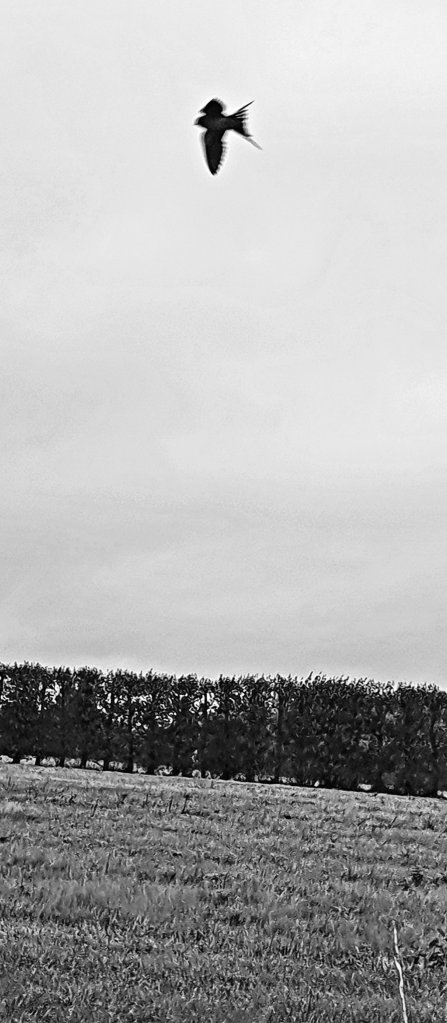
In my absence the fellas kept up the tradition of a themed photo competition. Today they let their arty sides run amok with the title of ‘silhouettes’. (By Richard)

The rest of the family went to the car boot sale in Ardleigh whilst I went to referee a couple of football matches.
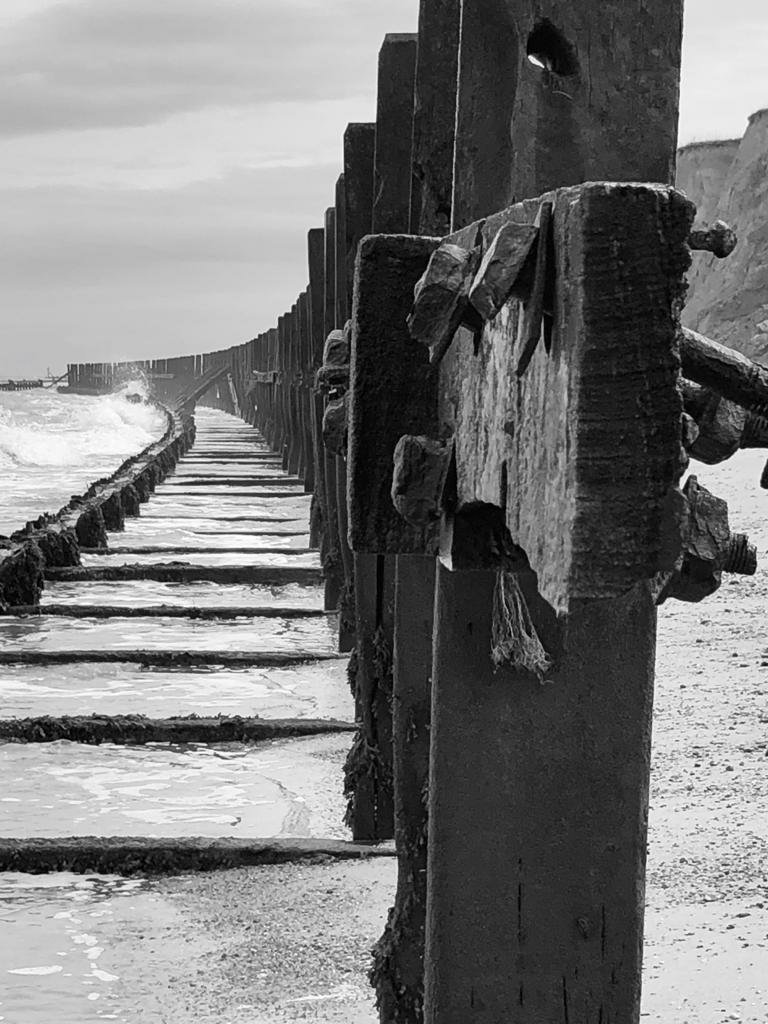
By Paul.

I love reffing but I also love walking and my Gents Film and Leisure Club did the next stage of the Norfolk Coastal Path today. I think we all have a little obsessive side of us that prefers things to be complete and just so. I am sure I will join them again on further stages. But, I know I have missed this one. I’ll just have to complete it alone when we next go up there to the caravan.
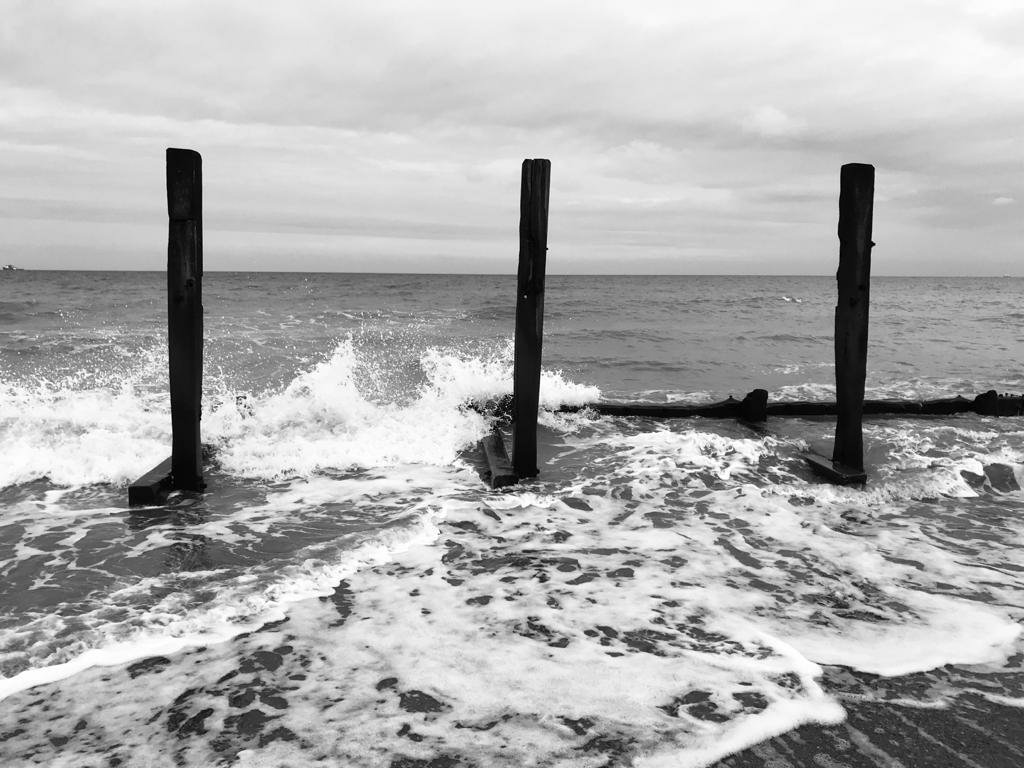
By Jim.

This is the problem with only having two days in a weekend. There’s just not enough time to do all of things that I want to do. I should be grateful that that’s the situation I guess. I really want to do the footy and the walk. I am sure I will find a way.
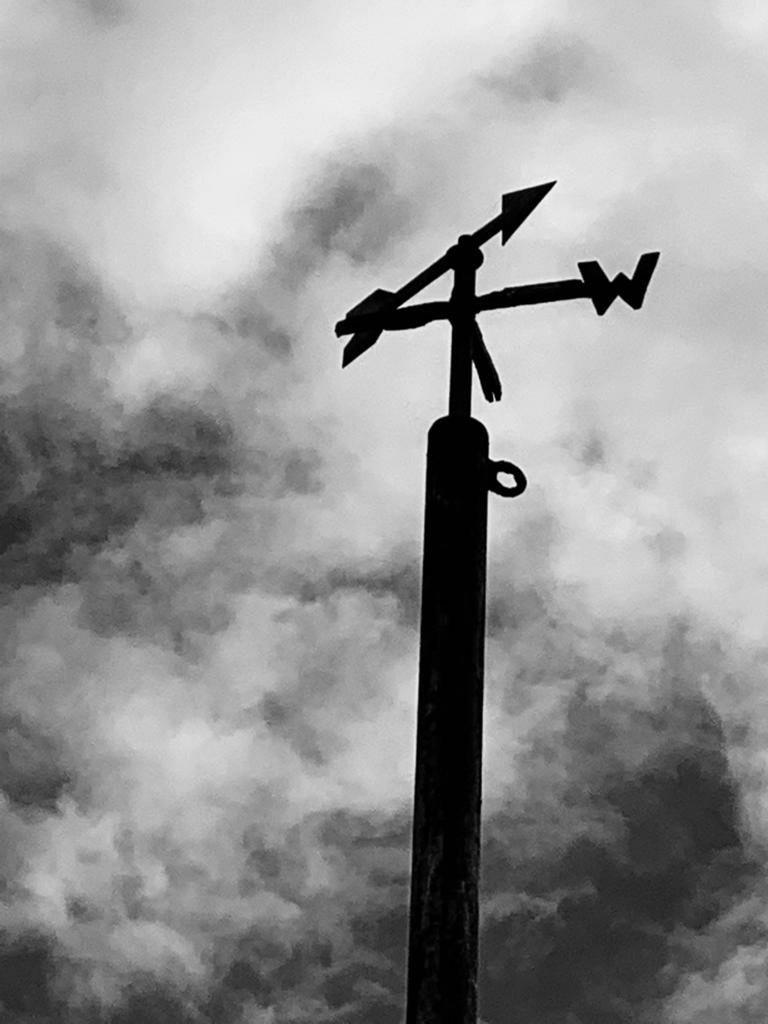
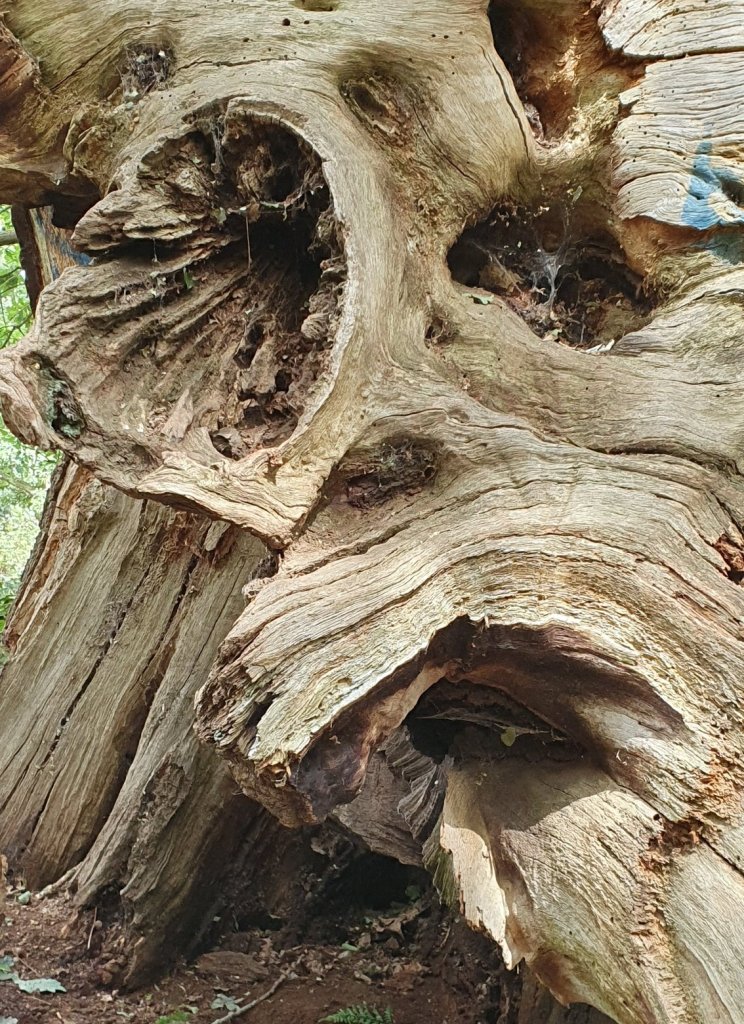
For some reason, this image has really put the willies up me. Its particularly haunting. By Richard.

Still, I ran for two games back to back and didn’t collapse! And, today I grasped how refereeing exercises my brain as much, if not more, than my body. I have to not only keep an eye on what is taking place at the ball, but I also have to check if there is anything occurring where the ball was and pre-empt any issues ahead where the ball might go next. As I say in my pre-match chat with the teams, “I have two eyes, two ears and 17 laws of the game. Certainly no VAR.”
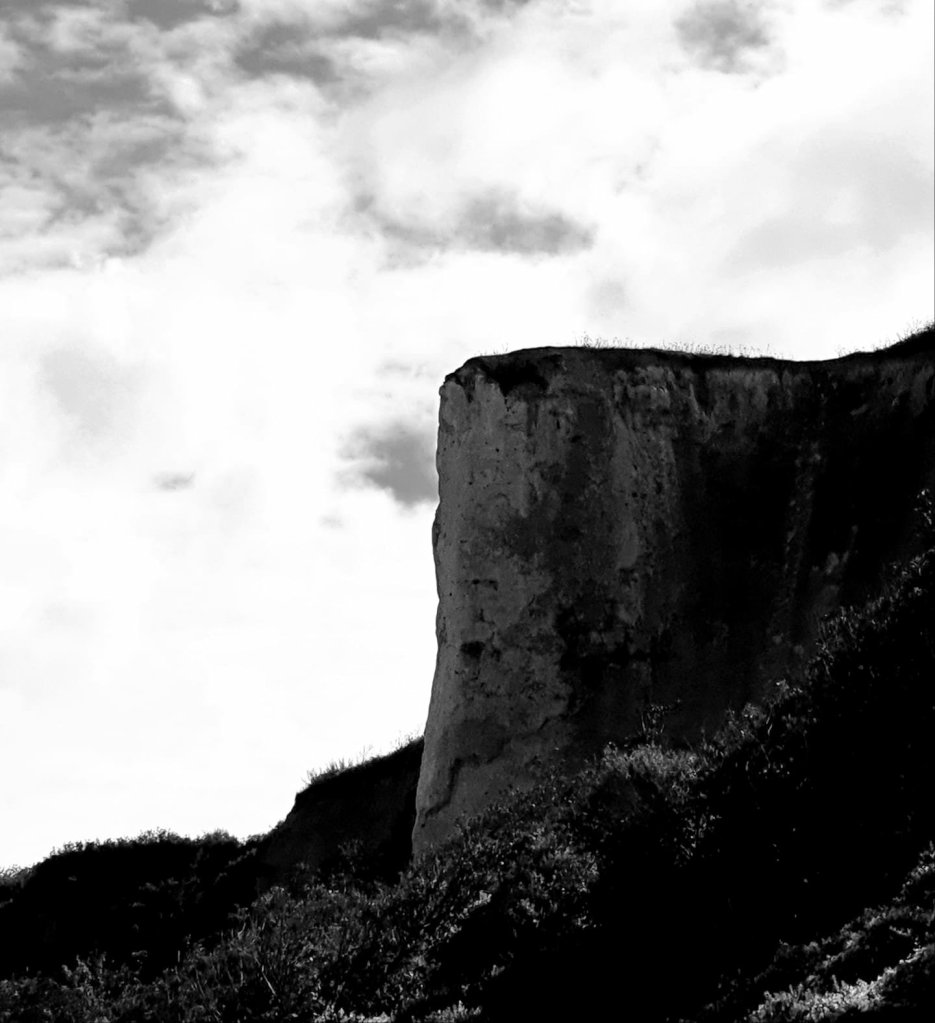
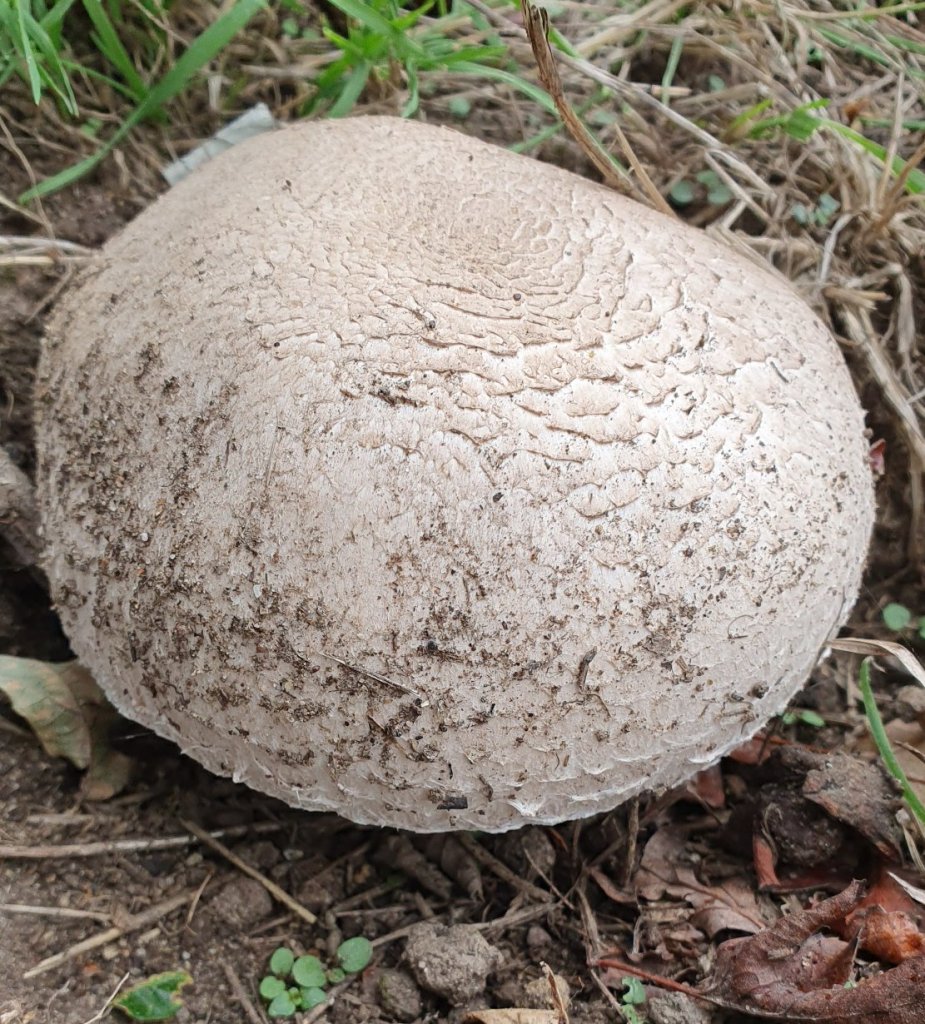
Very austere. By Mark.

Then, after dropping in to see my Dad on the way home, I sat down with a bottle of beer for a Sunday roast dinner. Finally, taking Mabel out for her walk and some litter picking.

As part of our involvement with the local parish council, we have taken ownership of a community litter picking kit. Stan gave it a run out this evening on the dog walk.

It all sounds very twee and suburban. But a day like today? After the months of chaos we have all had? It is beautifully ordinary. I just wish we had one more day every weekend.
Day 169

Saturday 05 September

September is certainly a time of movement and change.

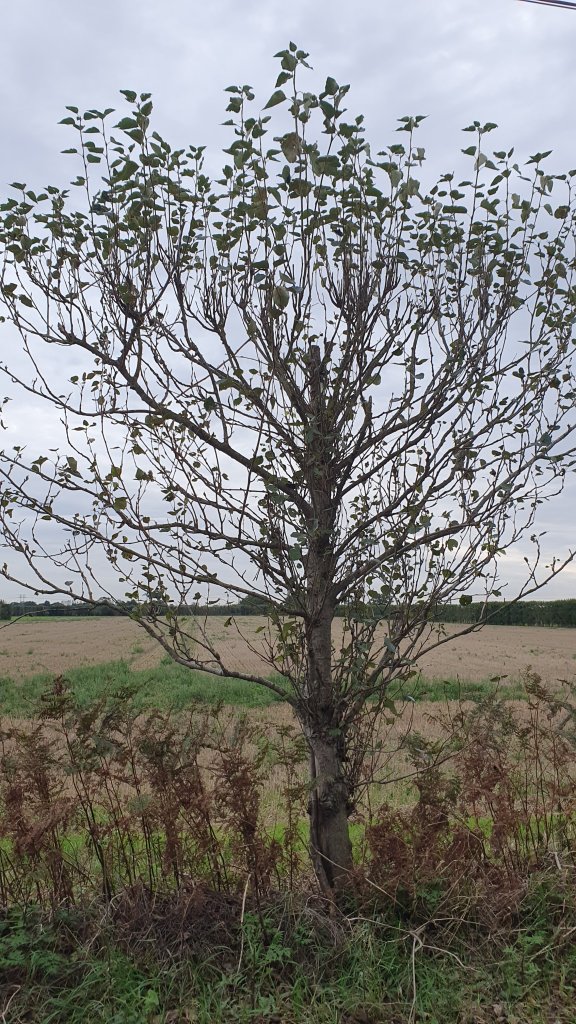
Just a matter of weeks ago this tree was full of leaves and the field behind was golden with barley. The lush green ferns flanked it on either side.

The trees around us are really showing signs of summer ending and autumn starting. They change their appearance which, in turn, changes the whole look and feel of the countryside around them.

One tree loses its leaves, and it stands out. But if they all start shedding, the whole landscape is affected. It sounds obvious but appreciating how everything is interdependent on everything else is an important part of connecting with the locality we live in.

The trees lose interest in their leaves but they exchange them for berries and fruits. The birds used the leaves as protection for their nests and their young but now need to feed well to prepare for the harsher months ahead.

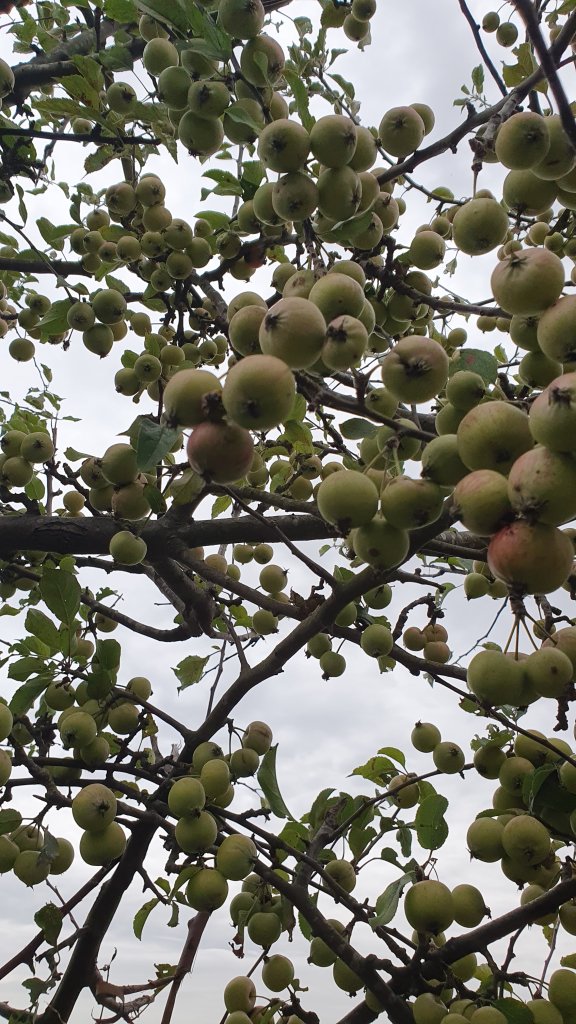
Crab apples (Malus sylvestris). Tradition links these to love and marriage. Birds and mammals eat them and disperse the seed.

Bright reds and greens shock the drab background as the muddy colours of autumn take over. The fruit baubles stand out against the grey skies.

The birds leave our gardens and make use of natures harvest as many prepare to migrate south. Those not partial to what grows on trees and bushes feed on moths and other invertebrates that are also in abundance at this time of year.

Everything connected to one another, all relying on each other to do their thing at the right time each year.

Day 168

Friday 04 September

A few years ago, when I was cutting back the overgrown hedges in our back garden, I came across a row of hawthorn trees.

They made up the skeletal frame for the climbing ivy and rambling honeysuckle that veined confidently around and through them. Bridging the gaps between them and stifling what were the original hedgerow shrubs.

Every spring I had noticed blackbirds, tits, robin and wren being consumed by this safe and secure mass of green. The kindly accomodating hawthorn was providing shelter and support to both plants and birds. I dare say there were quite a few invertebrates and ground based creatures that also took refuge amongst its branches and beneath it’s canopy.

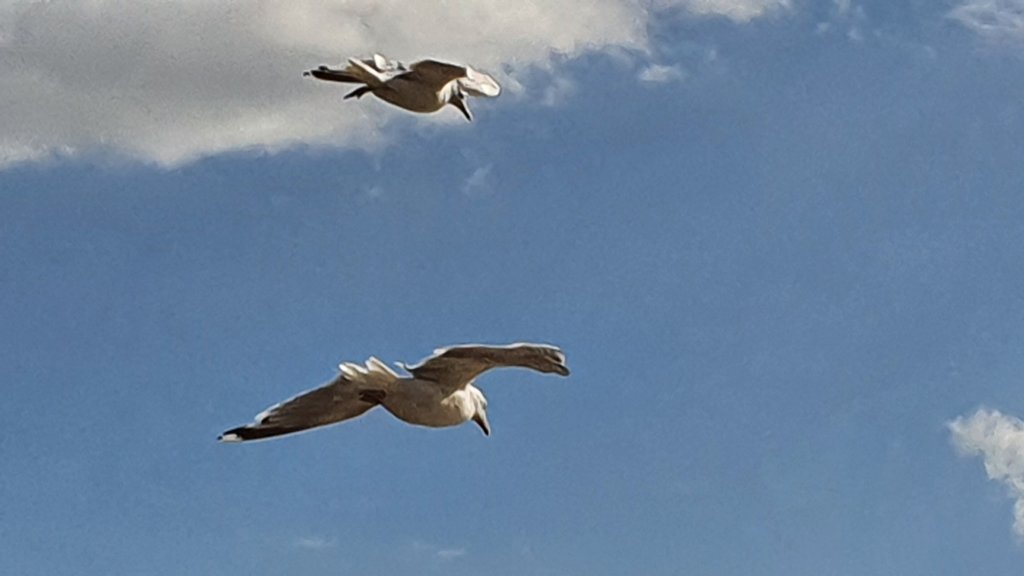
Two beautiful fliers taken from the steps of the beachut at Frinton a couple of weeks ago.

So, I cleared away all of the ivy and honeysuckle to reveal half a dozen scrawny and spindly specimens. But they had sound roots and so I cut them back and waited to see if they would recover. They did and I soon appreciated how important these hawthorn were for to garden birds. One tree in particular, the tallest, is also the noisiest in spring and summer as it plays host to flutters of sparrows, ten or twelve strong. The long-tailed tits are now joining in too making a beautiful racket.


Anyway, on the radio this afternoon, I was pleased to hear that the programme’s tree of the week was the humble hawthorn. The particular featured tree, located on the Bristol Downs, had become a community focal point during and ever since lockdown. Local folk had used it to hang or drape their wishes in the form of pompoms, ribbons and other memorabilia. But amongst all of these colourful trinkets there was a faded black and white photograph and a poem, hung alongside each other, from one of the branches.

The poem is entitled ‘Seabird’ and the photo is of young woman in 1940’s army uniform called Daphne. These tributes to Daphne, who died in a care home this spring, were hung up by her sister and children. The poem, written by Daphne, was a tribute to her husband, Ernie, who had died twenty years before her. She writes of his free spirit flying high.

You see, sailors commonly believe that when they die their spirits takes the form of a seabird. Ernie was a sailor, and she writes about how one day she hopes to join him up there. Two souls together again.

“Now seabird, I fly with thee.”

“Oh Seabird, riding high above the foaming crests. Then wide wings spanned in abandoned flight. To north, south, east and west. Far and free. If only I could fly with thee.”

“Below there are flowers and prayer, they wrap me in a linen shroud. But I have not a care, for I wing on the wind, and climb on the cloud. My spirit soars free. Now Seabird, I fly with thee.”

The spiritual force of trees and birds wrapped up in a beautiful story of companionship and love.

Whenever I stand for a while and watch birds flying high, I am filled with a kind envy. How I wish I could do that. Well, one day, maybe I will.

Seabirds are certainly the best at that, seemingly flying for the fun of it. Simply because they can. Playing, practising or perhaps, waiting for their partner to join them at some point. Next time I see a pair together, I will cast a thought to Ernie and Daphne and others who’s spirits may now be soaring free.

(The final five minutes of this episode of PM https://www.bbc.co.uk/sounds/play/m000m5zv)

Day 167

Thursday 03 September

Occasionally, something special happens when I least expect it. And it’s these magical little moments that this blog gives time to. But I need to take time to properly notice them so that they stick.

If you’re not careful, these moments can easily pass you by. Fleetingly enriching your life before your mind slips your attention toward something else.

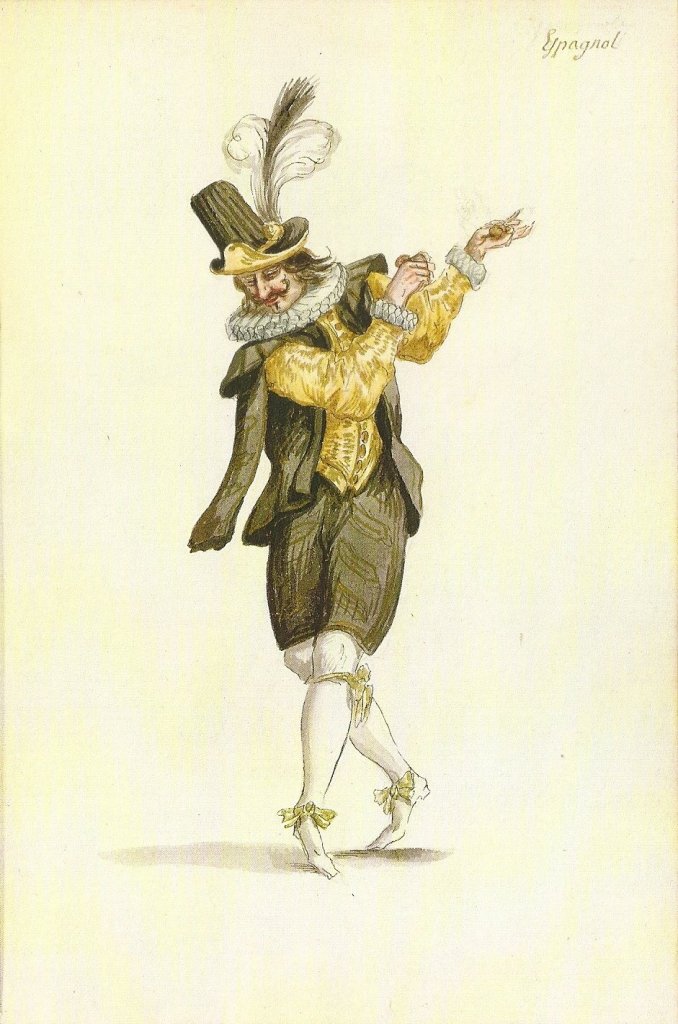
The Saraband baroque dance was actually banned in Spain in the 1700’s for being indecent. Cervantes described it in a novel as having its “birthplace and breeding place” in hell.

So, this afternoon/evening I was in the car with my wonderful daughter, just the two of us. An hour earlier I was at work. I had picked her up from her grandma’s to take her home via the supermarket as we needed a few things.

The radio was on and we were listening to Sarabande by Handel. A piece if music that, until today, I had never given much attention to. It had always seemed pretty monotonous and downbeat, but then Adora started speaking.

She started using words like ‘plagal cadance’ and ‘atonality’ to describe its construction. How its repeated pattern was simple but also how its combination of major and minor keys first lift the spirits of the listener then drops them with a melancholic slump. All this achieved by the three note combination at the end of each line. This added a complexity that was pure emotion.

We spent just the length of the piece (about four minutes) talking about it, but I got out of the car upbeat and grateful. On a day of workplace stress beneath an all-day shroud of low cloud and drizzle, I was grateful for that four minutes of precious time with Adora. Talking with her about how the music made us feel but mostly just listening to her deconstruct the piece. Hearing her explain how and why it effects our emotions as it does.

That piece has now come to life for me. It’s now a special thing and I will always associate it with my daughter. I won’t remember the technical words she used, but I will certainly remember how it made me feel and why.

Day 166

Wednesday 02 September

The second day of September and the second day of Autumn. The start of a new season passed me by yesterday; I never knew that there were different ways of registering when seasons start and end.

This year, Autumn in the UK can start on 1st or 22nd September depending on whether the meteorological or astronomical calendars are used. The meteorological version is easier to follow; four seasons with three calendar months in each. So, Autumn will always be 1st September to 30th November. The astronomical Autumn begins when the length of day equals the length of night – twelve hours of each. The spring equinox is when it balances again.

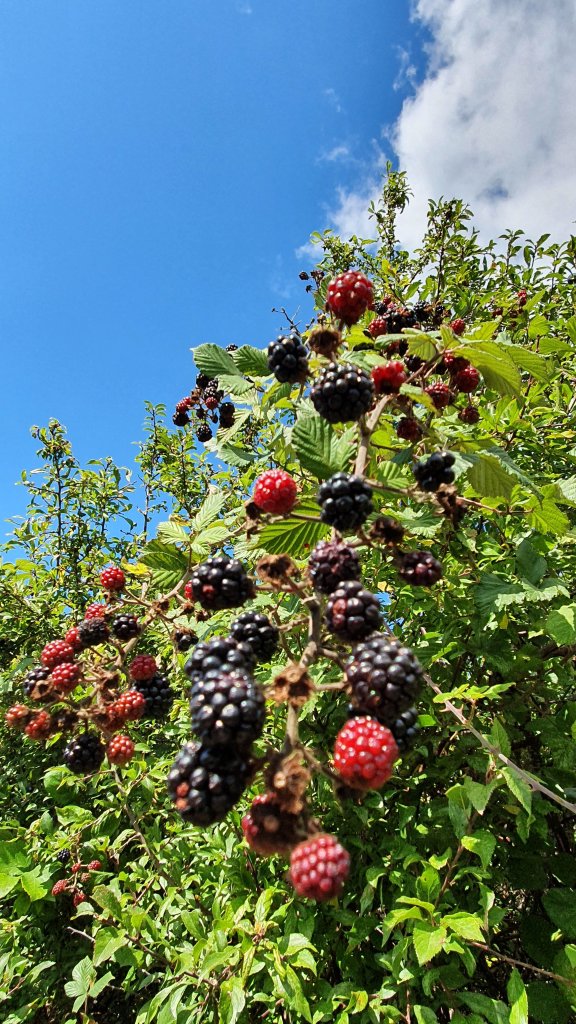
Seeds and berries – a sign of Autumn.

What is clear, is that the leaves on the trees in our garden and down the lane are crispy and tired. Some of them have already fallen and have been blown into a golden drift at the edge of the track. Starting to blacken in places where the damp conditions won’t dry out.

Invertebates are hiding inside or under the parasols of large flower heads, especially the many sunflowers. And the birds feeding habits have also changed, moving away from mainly seed to fat balls and suet. Getting themselves intentionally larger in readiness for what might be a very long journey south.

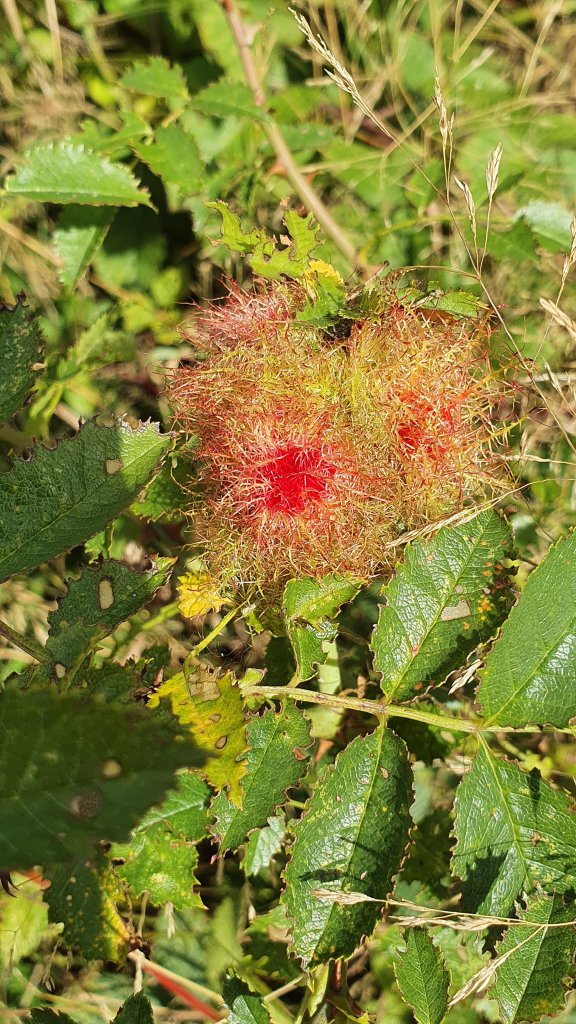
Robin’s pincushion. I thought this was some sort of seed case when I saw it in the hedgerow on my walk the other day. But its actually caused by the larvae of the Gall Wasp (Diplolepis rose). It turns red in Autumn.

Meanwhile, we prepare to open our doors to our pupils on Friday. I think that if you were to right a give-point checklist of things to identify the season, that Autumn would be the easiest;

  • Shorter days
  • Falling leaves
  • Fattening birds
  • Cooler nights
  • Berries and seeds

Day 165

Tuesday 01 September

It’s been a crazy day with lots going on but very few physical steps taken. Like many, I have a watch that measures how many steps I have taken. At the close of play, as I sit on the sofa with a cup of tea and the dog on my lap, it is saying 7126 steps. I aim for a minimum of 8500.

I don’t know why I do it really. Most days I hit my target, especially since we have had Mabel. But when I don’t walk the dog, I usually fall short. Then I let those numbers punish me for failing to be ‘active’ enough. It’s another trap of modern living, everything needs to be measured, assessed, impactful.

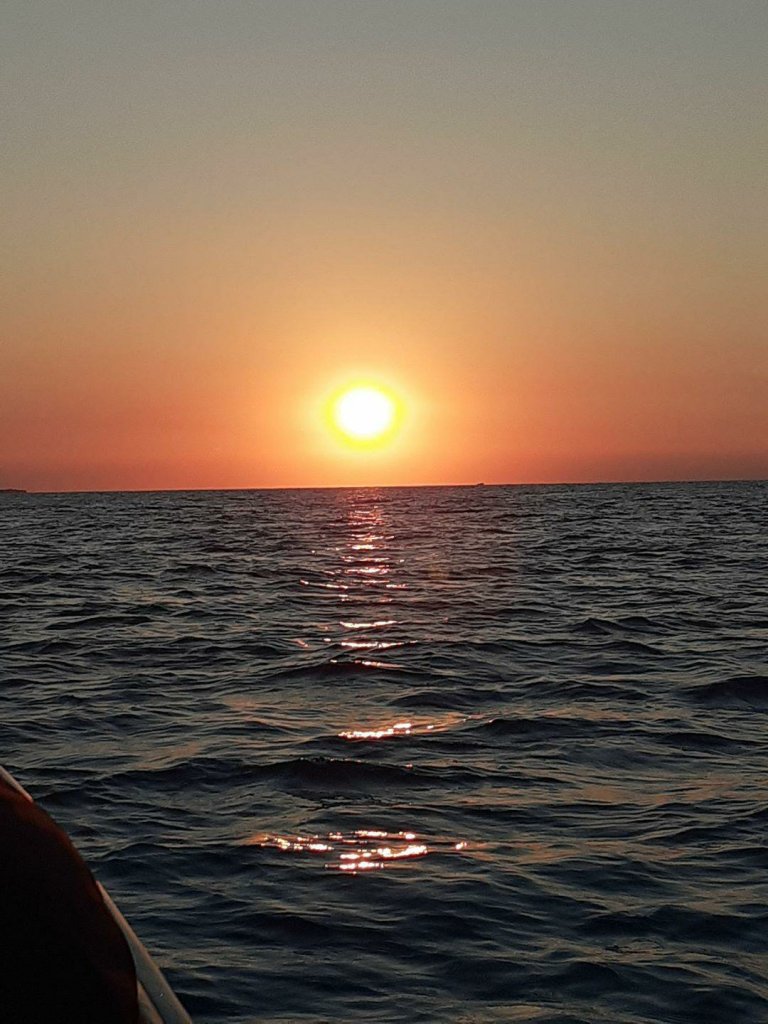
This incredible photo has just been shared with me of the sunset whilst on an evening boat trip out of the harbour at my beloved Wells-next-the- Sea. Thanks, Bar. It almost moves.

We do the same with kids of course, and as we prepare to return to school we must take stock of what we are doing. This year all of our year eleven’s and year thirteens received grades based on what their schools believed they were capable of. Not by how many questions they got right in a time limited test. Some criticised this method as it would ‘over inflate’ the students’ grades.

My take is simple. If you want to know what a young person knows about a subject, at a given hour or two, and according to some very specific random questions. Then test.

But if you want to know what a young person knows about the whole subject, across the whole time they have been studying it. Then get the teachers and schools to assess them, not just for their knowledge of the subject but for their passion and live of it. Their ability to debate and discuss, create and resolve. There is much more to knowing a subject than mere facts.

Last month Sir Ken Robinson died. I first came across him back in the noughties whilst promoting the use of technology in schools. He continued to query what we were doing to our education system and was critical of schools being factories of facts, instead promoting creativity as the most important aspect of a young persons development. He said, “We don’t grow into creativity. We grow out of it. Or rather, we’re educated out of it.”

I then started to focus on the issues of poor behaviour in schools and the dramatic rise of the modern phenomenon of attention deficit disorders. Sire Ken had a different view to why so many ‘diagnoses’ were being made, he attributed to our approach to education. “If you sit kids down, hour after hour, doing low grade clerical work it’s not surprising they’ll fidget.” I find that hard to argue against.

So, as we start a new term, in a new year, having been dealt a chance to start afresh. I hope we learn from the experiences of the Class of 2020. I will be very interested to see what impact, not sitting tests, will have on this years crop of graduates as they move through life? I will keep measuring my steps each day, but if I don’t hit 8500, I will still have enjoyed putting one foot in front of the other and will simply do a few more the next day.

Day 164

Monday 31 August

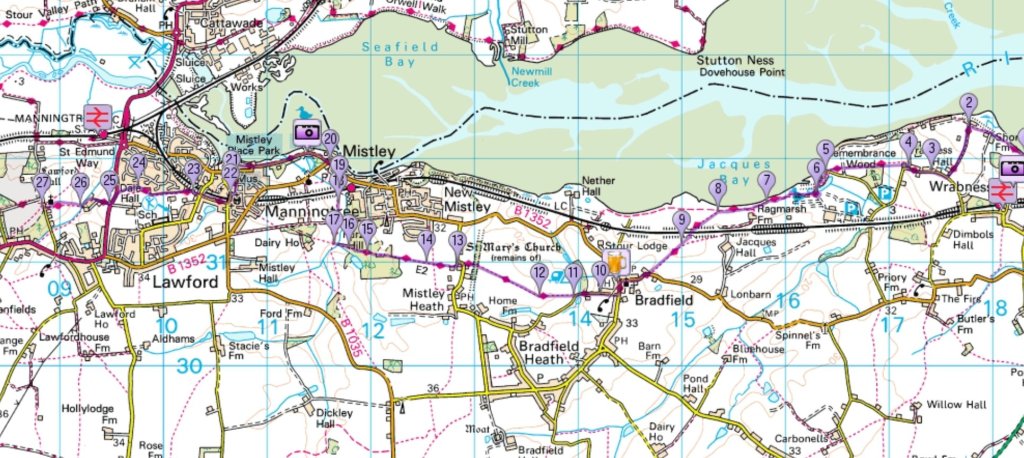
Just over 8 miles from Wrabness to Lawford. A combination of coastal, field and woodland.
Nice start. Looking across to Lawford on the footpath to the station.

9.30am I am waiting at Manningtree station for the 10am train to Harwich. I will be getting of at Wrabness to do the second leg of the walk from Harwich along the Essex Way. Even the short walk from the car, parked about 15 minutes walk away, has provided sights and sounds of Magpie, Long-tailed Tit, Great Tit, Robin and others. It’s quite a precious time of the day, seldom spent outside on a weekday. Although it’s a bank holiday, that time after ‘rush hour’ and before lunch is a little mysterious to most of us.

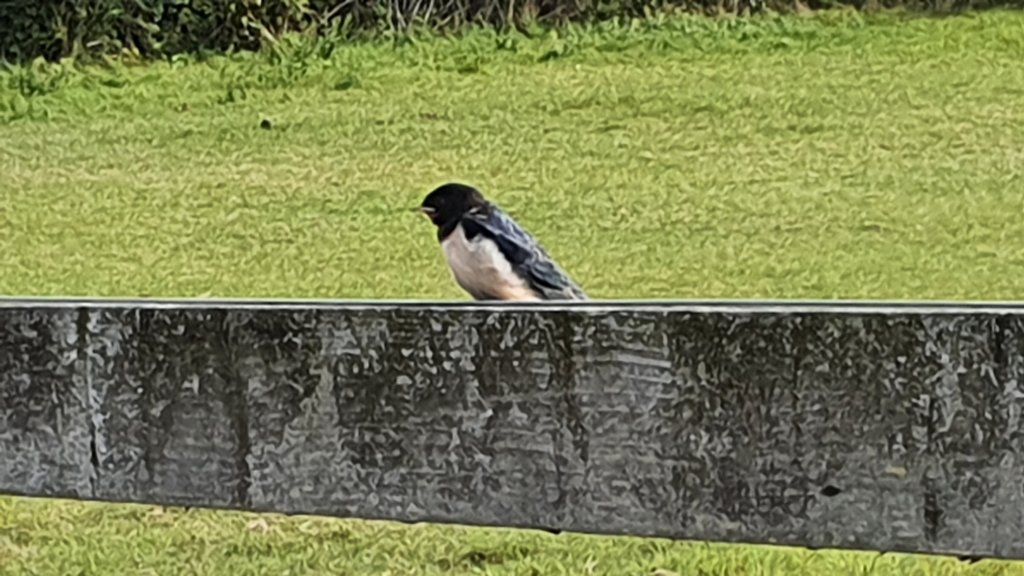
A contemplative swallow right at the start of the walk. What are you thinking about, little chap?

It’s great to be out and about again; the past few days have been unseasonably windy, wet and cool. But this morning, sitting on the bench, with platform 1 behind me and the morning sun warming my back and shoulders, I am looking forward to some deep breathing, brisk walking and pleasing views. I might even get a pint in somewhere?

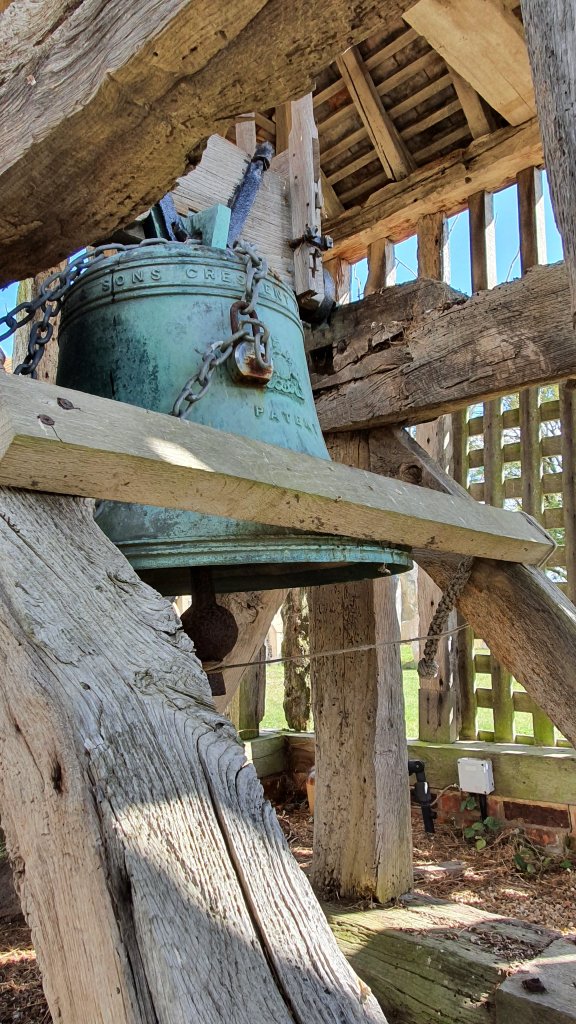
The bell tower at All Saints’ church, Wrabness. The bell tower collapsed in the late 1600s and two of the five bells we’re ‘temporarily’ rehoused in the wooden cage. They’re still there.
Heading in land towards Bradfield.

This leg seems shorter than the first but I think the weather conditions are more forgiving today. It’s just a beautiful part of the world. Dripping in atmosphere, splintered with industry on a backdrop of agriculture and woodland. I choke when I try to write it all down.

I love walking along, something grabs my attention, I take a photo. Then, when I get home, I research it. It is becoming a bit of a pastime. Oh, and a negative thing I am aware of, particularly today. My obsession with finding feathers is getting a little daft. I am aware that I spend increasing amounts of the walk looking towards the ground when I should be looking around me or even above me.

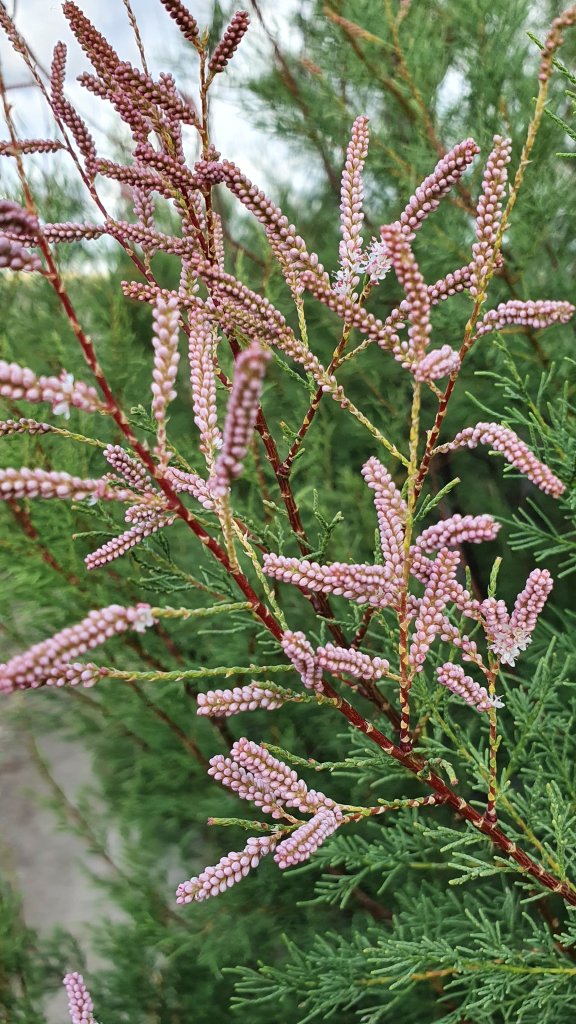
Tamarix pentandra ‘Rubra’ is a classic coastal plant. It starts flowering now and into the Autumn. Tamarix varieties have been selected as the plant of choice for desertification projects in China.

As I walked alongside the Stour leaving Wrabness, I grab a fistful of vegetation. It is so lush and teeming with substance, the plants that thrive in these environments are tough. This is a precious plant though; it is one of only a few that flower late summer and into the Autumn.

Although I have had the Essex Way pretty much to myself today, I am suddenly conscious of the others who have brushed by it now and in the past. Like me, opening their palms to be tickled by the feathery grasses or, in this case, the lush pink blooms.

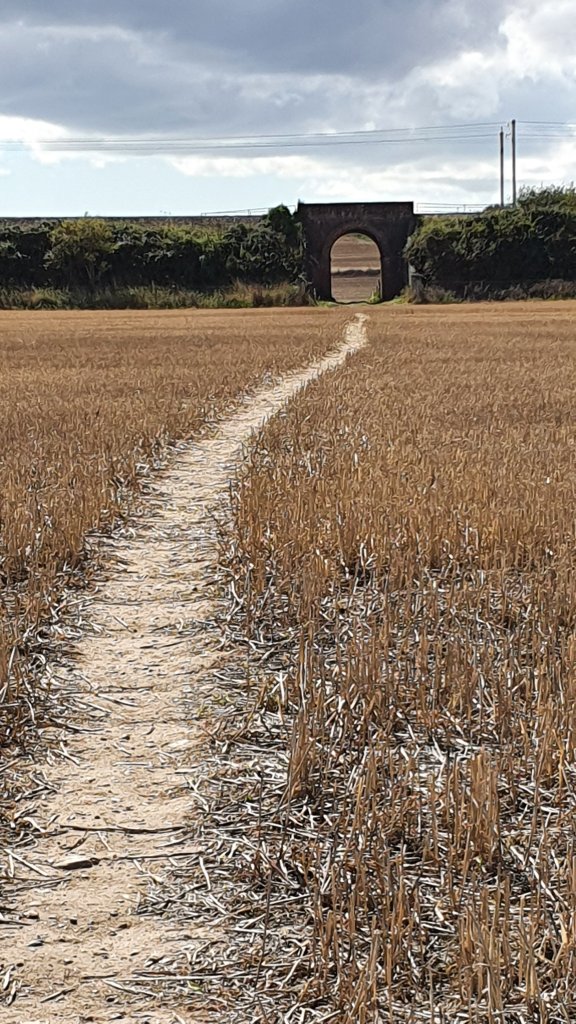
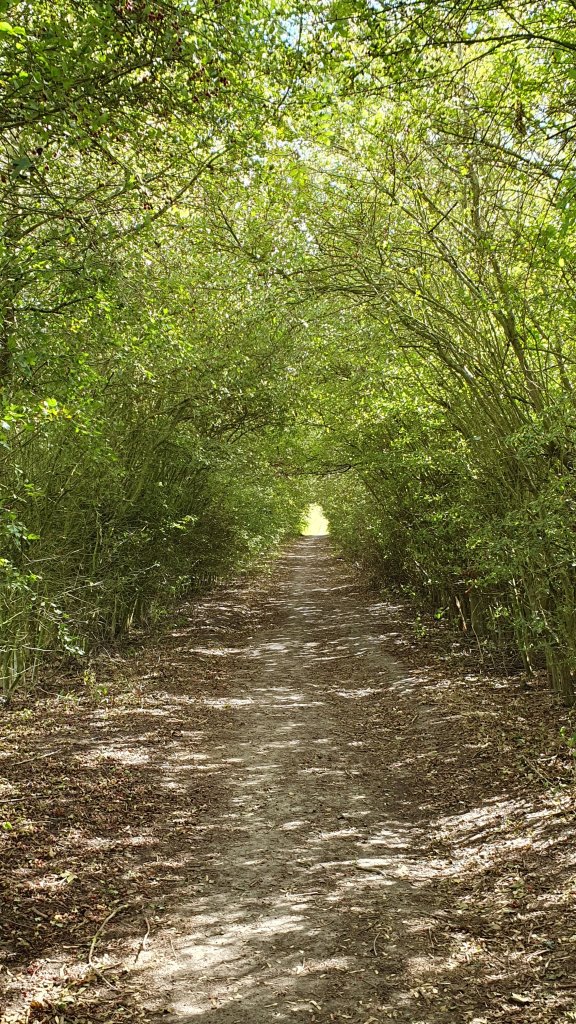
The path leads to the light. Running parallel to this stretch of the path is a woodland graveyard/burial site. Not a bad place to end up, I guess.

I’m constantly discovering new things about ‘me’. Thankfully, I have already realised how much I love walking, solo or with a group. I feel lucky to have found a love for it. It costs nothing, keeps me healthy, and broadens the mind.

I am growing more fascinated with trees. They stay with me. I am intrigued by dead trees (post coming soon) and faces in trees. I’ve never seen a happy face in a tree, they always look menacing or haunting.

1.30pm Just arrived at The Red Lion in Manningtree. I’m not completely sure this is on the Essex Way route, but it’s on mine. I’ve already posted a fair bit about Manningtree.

St Mary’s Church, Lawford. Where I started and finished today. This is also the resting place of the war poet Robert Nichols.

Final twenty minutes walk from the pub to my car. Walking behind Manningtree and and across to Lawford church.

Day 163

Sunday 30 August

Today was the last Sunday before returning to work for a new term. Although it’s a bank holiday tomorrow, I have had a twinge of ‘that Sunday feeling’. Finishing some work for the training days and checking email.

I refereed another game this morning. An under 12’s friendly. It’s good practice for the kids and equally good for me too. I’ve put on a bit of extra baggage over the past few months, despite all of the walking. And that’s partly why I love being a referee. I get to run around for at least an hour, I’m in the fresh air of outdoors, keep fit, lose weight, focus on something different, support the game I love. And at the end if all that, the match fee pays for the cleaner each week.

When delivering the pre-match chat to the two teams it was genuinely great to ask them how they felt to be back out on a football pitch again. It was wonderful to see their joyous responses, which matched mine and the coaches. We are all really looking forward to the season starting for real.

Ahead of each game, there are some minor changes to routine and practice. For example, we can only tap elbows together instead of handshakes, we have to scan ourselves in just in case track-and – trace need to get in touch with me. And the one way systems into the stands and around the spectators spaces. But, once the whistle blows, it’s really business as normal. And that’s good for everyone, especially at this grassroots level.

The swallows are enjoying an abundance of flying insects. They are so visible, feeding across most of the fields at the moment. But they are also so fast, trying to get a high-quality still image using my phone is impossible.

I didn’t do the dog walk today. Yesterday, I noticed the significant numbers of swallows are out in force at the moment. Sweeping up insects on the wing just feet (occasionally inches) from the ground. Some are adult birds, some are newbies. But all are fattening themselves up ready for their epic journey back south to winter in the milder climates. More on that in a few weeks when they start to set off.

Day 162

Saturday 29 August

Today really did feel like the summer is over. It was pitch black outside by 8.30pm this evening.

I know the summer isn’t officially over but, walking around our local patch this afternoon, I couldn’t help but think back briefly over what I have seen.

The common puffball (Lycoperdon perlatum) seen in the lanes of our local walk this evening.
Lat August really is the time for fungi to start appearing. Some are on their own, others in clusters.

March and April were very much the months for wildflowers and the vivid colours of Spring kicking things off. May and June was all about the birds; their song, nesting and new arrivals. July was the month of insects filling the air and the garden. August has been play time for butterflies, months and fungi.

I am looking forward to September and what will take the main stage? I had never paid much attention to the phases that nature goes through during a year. Obviously, the spring and summer have their main characters and identifiers but it has generally been the weather and the length of the days that has characterised this for me in the past. I assumed everything came out about the same time as each other. By noticing nature, it is so much more defined, everything has its own time slot. And they have to in order that they support one another.

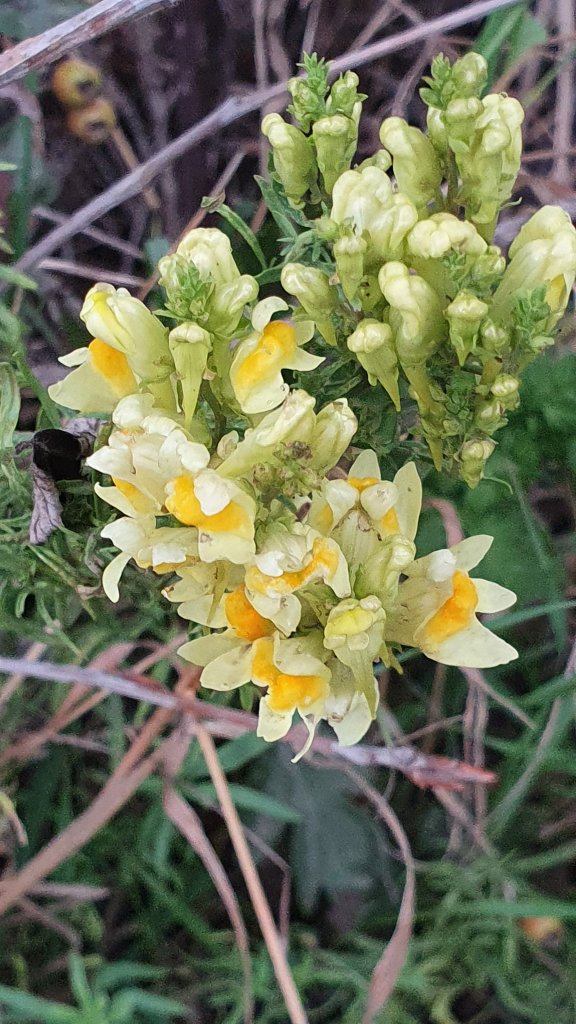
Yellow Rattle (Rhinanthus minor) in the hedgerow this evening. I am going to check-in on this to get the seeds for my own garden for next year. The dried seed pods are where it gets it’s name.

The trees and hedgerows fill with leaves to provide shelter for the nesting birds. The young birds need feeding, invertebrates being the main course. Then, as everything cools down a bit, so the mushrooms start to grace the damper grounds.

So, back to how dark it was at 8pm this evening. Our lights were flicking on and I even tested the heating too.

Day 161

Friday 28 August

I have spent the day at home and, because the weather has calmed, have been taking moments outside in the back garden. In between the occasional thundery downpour.

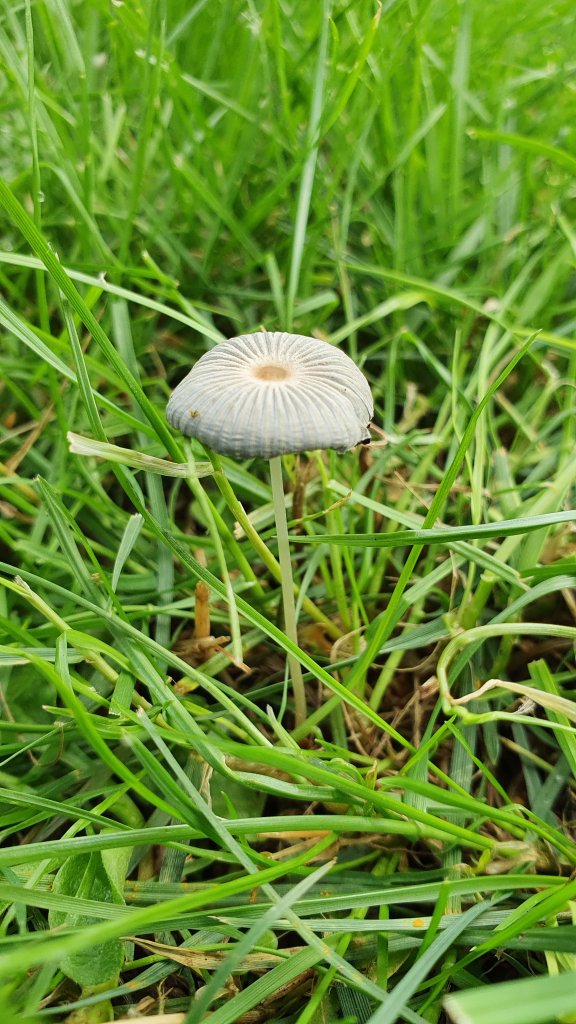
Bald Inkcap (Parasola leiocephala) on the lawn. A small little mushroom on a very delicate stem. They are around for a single day distributing their spores fairly locally.

I found a solitary mushroom in the lawn this morning. Glad that I did because they apparently pop up after rain and are gone within 24 hours. It is part of the Inkcap family. In fact, I went out less than an hour after this photo had been taken, after a rain shower, and it was pretty much gone.

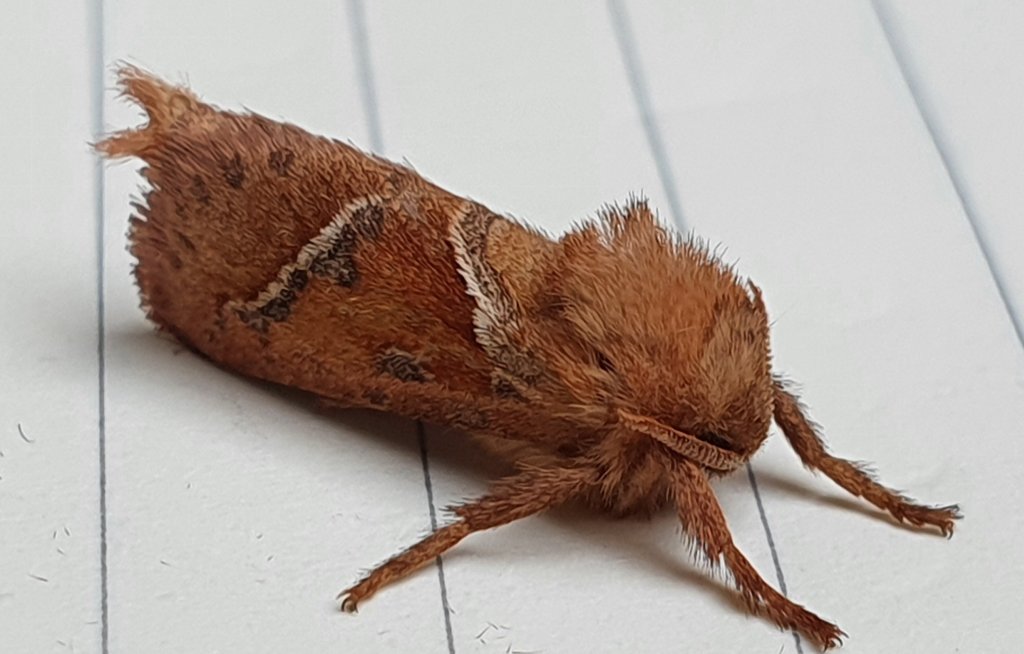
Adora found this beautiful little moth, sat on the sofa. The Orange Swift moth (Triodia sylvina) is quite common throughout Europe and it’s larvae feed on the roots of plants including dandelions. I think it’s male due to it’s size.

I also spent some time watching and listening to the bees around the flower beds. It is really easy to tell the difference between bumblebees and honey bees by the sound of their buzzing. Bumblebees are much lower-pitched than honey bees to start with, but they also hang around on the flowers for longer. The honey bees, on the other hand, can’t seem to sit still for too long. They are constantly flitting from flower to flower using up so much energy. Bumblebees are bigger so perhaps cannot expend the same amount of energy.

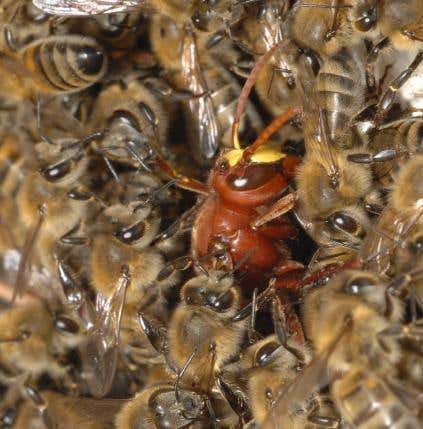
On the subject of honey bees, I read a remarkable fact about them this morning. This summer, in particular, they have been invaded by the Eurasian hornet – an amazing creature in its own right but a real threat to the bees and their hives. The honey bees sting is barbed, so when they use this, not only do they leave the sting behind but they also leave part of their digestive tract, nerves etc. That’s the end of the bee. A hornet’s body is also pretty impossible to penetrate.

Honey roasted hornets – a great heading from this months BBC Wildlife magazine.

Instead, they crowd the hornet in a mass scrum completely smothering it. I would love to think that one of them shouts ‘pile-on’ like we did when we were kids. This prevents it from alerting other hornets of its distress. The bees now do something incredible; in their numbers, they start vibrating in unison to such an extent that they generate heat, enough heat to ‘cook’ the hornet to death. Wow.

My window of wonderful keeps giving. I just need to keep looking.