Day 120

Saturday 18 July

One of those days when I can post throughout the day…

9.30am We’ve made a conscious effort this year to encourage more insects into our garden. I used to take the approach that, because we live in a rural location, we didn’t need to be so aware. Our little patch was insignificant compared to even one hedgerow down our lane. But I have realised that that isn’t the way.

Our house is rural but also agricultural. There isn’t the wild areas or even fringes of fields that have been left for wildflowers, grass and such. So, our garden, with it’s intense concentration of pollen producing plants, is a real hot spot for bees, butterflies and other flying insects.

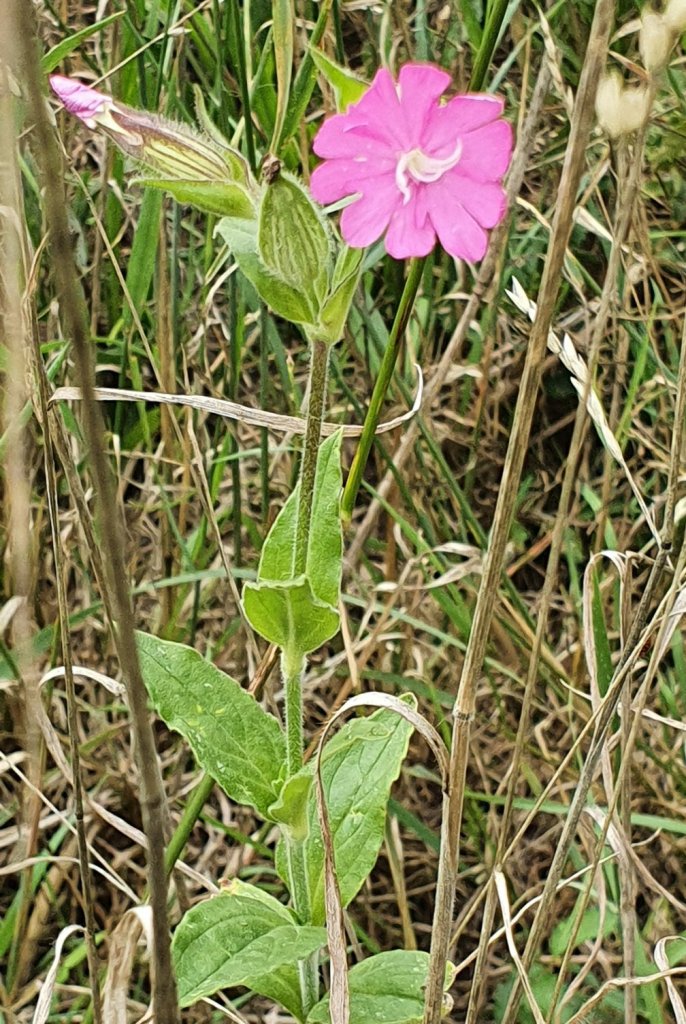
11.40am Doing less with the lawn has also been an interesting experiment. We have islands of long grass at the bottom of the garden. The clover, red champion, daisies and dandelions have all flourished. This has meant the bees and butterflies have too. Red tail bumble bees have loved the clover and the low mallow. Buff tailed bumble bees really love the tall hollyhocks. I had never noticed the behaviour of bees before. It’s fascinating and the garden, on a still and warm day like today, is literally buzzing.

Today is going to be a day of ‘casual-doing’ in the back garden. Some weeds need burning, a birdbath needs to be made and a new pump is arriving for the septic tank. Tomatoes need staking and the rose needs training. It’s an -ing day.
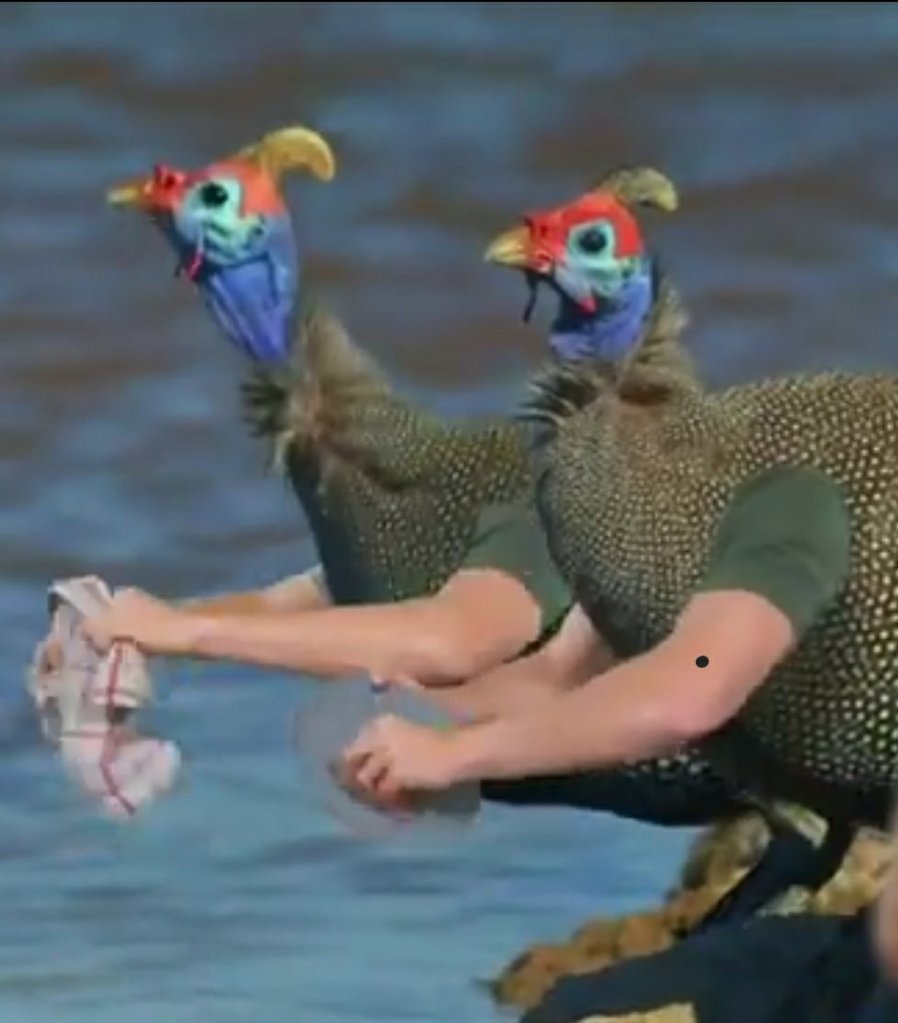
11.50 am If birds had arms… https://twitter.com/Curlykidlife/status/1283825426251603976?s=09
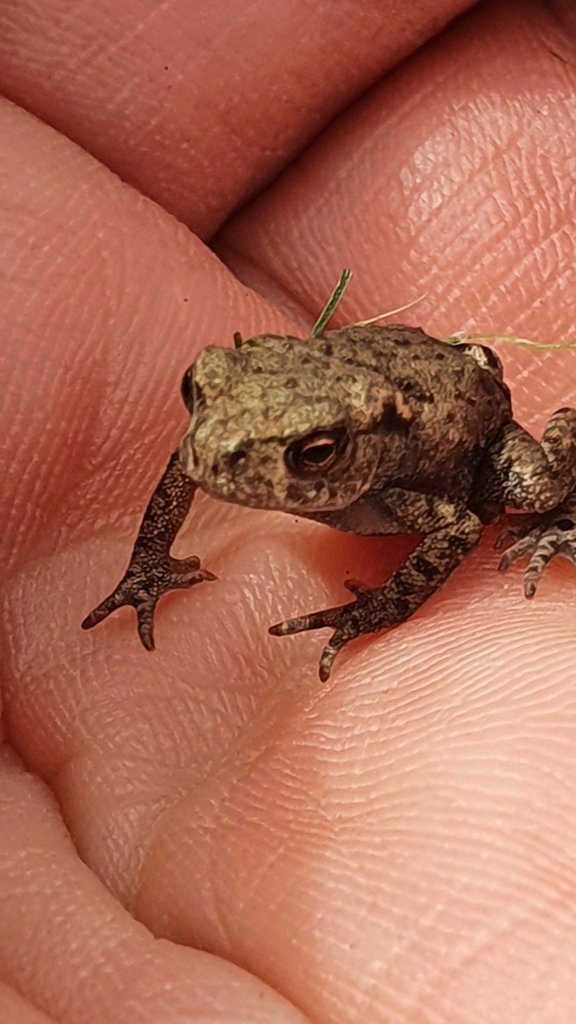
12.54pm Just cutting the grass and found this little chap. Popped him in the pond and congratulated him as the first official resident.

3.30pm Whilst mooching about outside in the mid-morning quiet, I had to keep brushing my face which was being tickled by something. I thought, at first, that it was small flies but it turned out to be tiny seeds falling from the Silver Birch tree. Once I was tuned in to what it was, I could then hear the seeds pitter-pattering on to the leaves of the lilac.
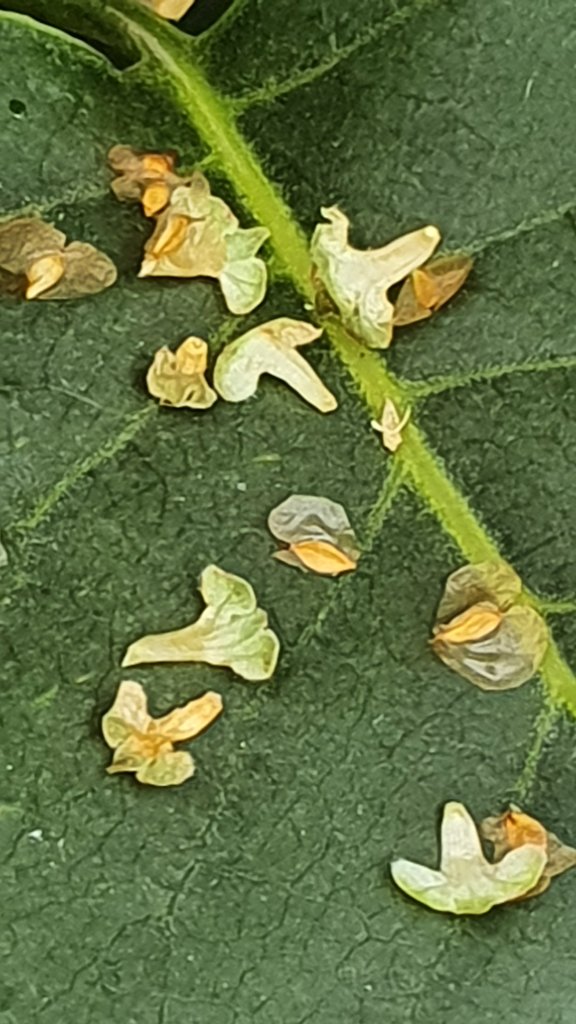
From tiny tooth seeds, majestic Silver Birch trees grow.

9.45pm Sat outside under the lights in the back garden. It’s been a beautiful day. Laods if satisfying chores completed and eating supper outdoors. A drive to collect Adora from her friends house. The sunset was amazing when I took Mabel for a brief walk late on.
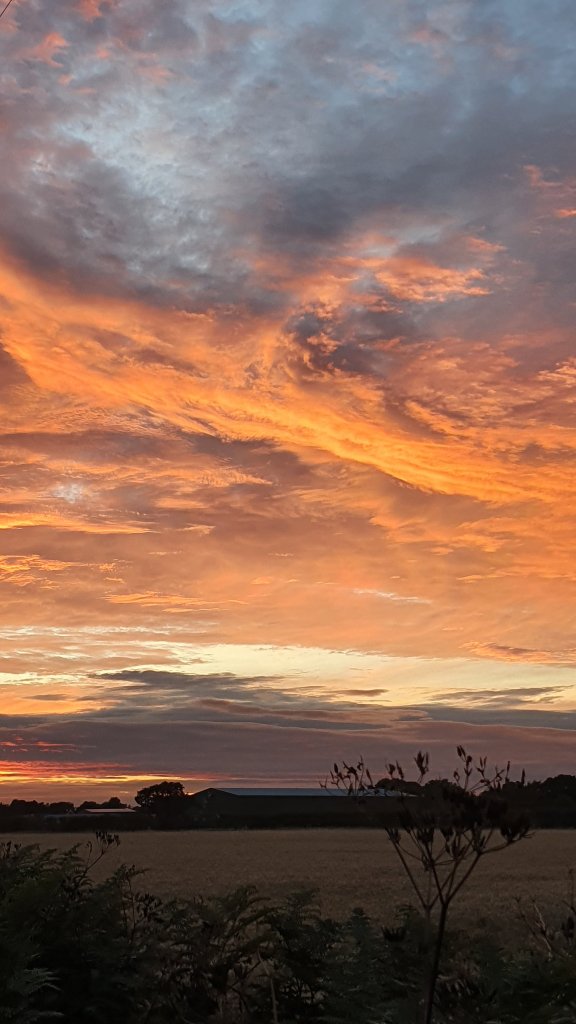
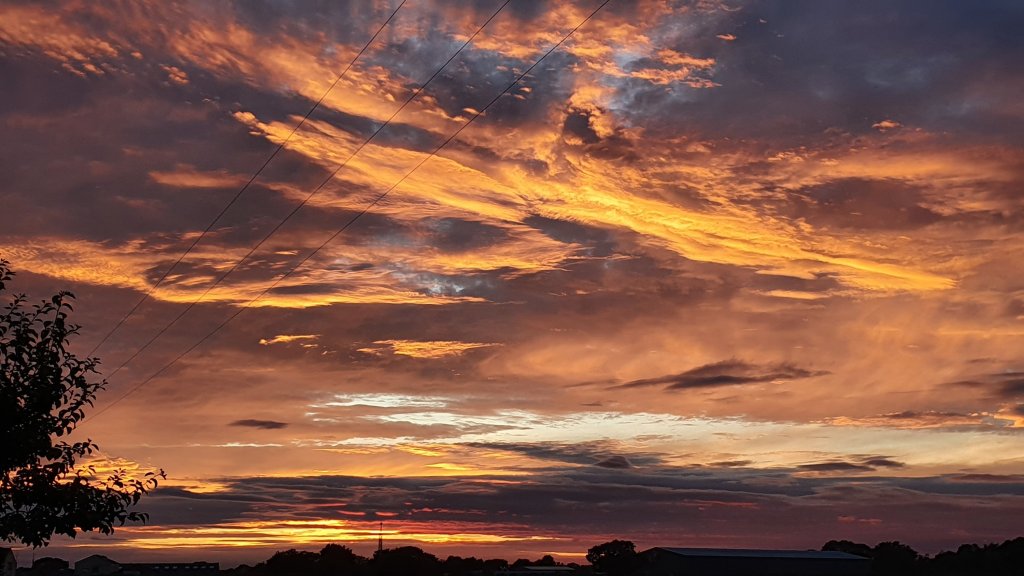
There’s a party going on across the fields. The farmworkers are celebrating and the music is jubilant and has a very Eastern European flavour. There are spontaneous cheers and whistles. It’s a fabulous sound, and with the warm evening temperature, it feels a little like being on holiday.

One of those beautiful, sunny, warm, lovely Saturdays.
Day 119

Friday 17 July

When I was a child, I guess I must have been around 9 or 10, I owned a rabbits foot. I also had a tail. I got them through trading with friends, a rubiks cube was the price. I also acquired a small pen knife that I had also traded, for a football.

I kept these items secret from my parents because I knew they wouldn’t like me having them and also that I had traded other things for them.

Having a rabbits foot and tail felt secretive and naughty. I didn’t have the respect for the natural world then as I do now. We all knew they brought good luck and for that reason they also brought an aura of magic. I remember wondering what wizard or sorcerer removed the foot and tail. It wasn’t exactly ouija boards or tarot cards but it was our version of it; dabbling in the junior dark arts.

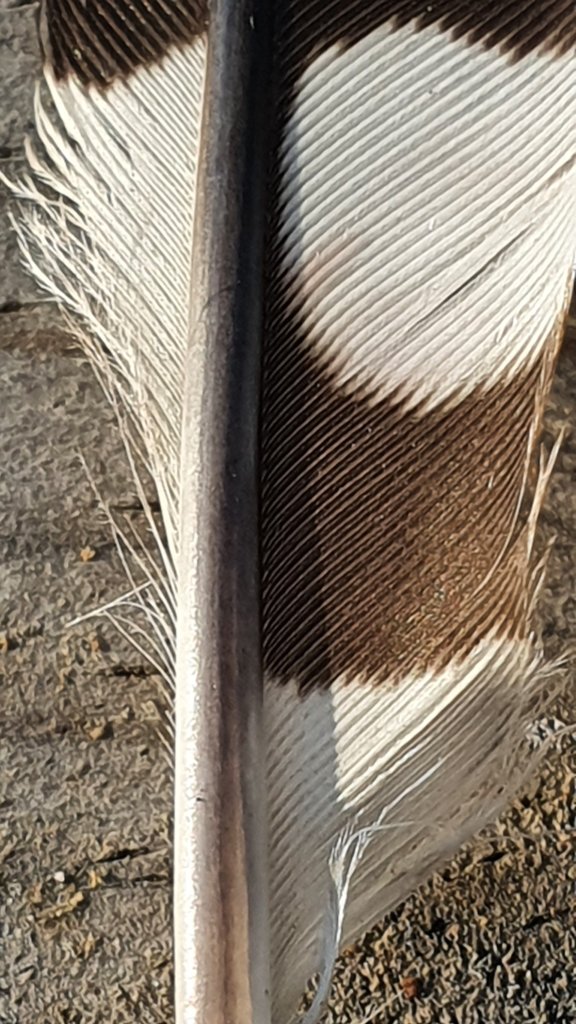
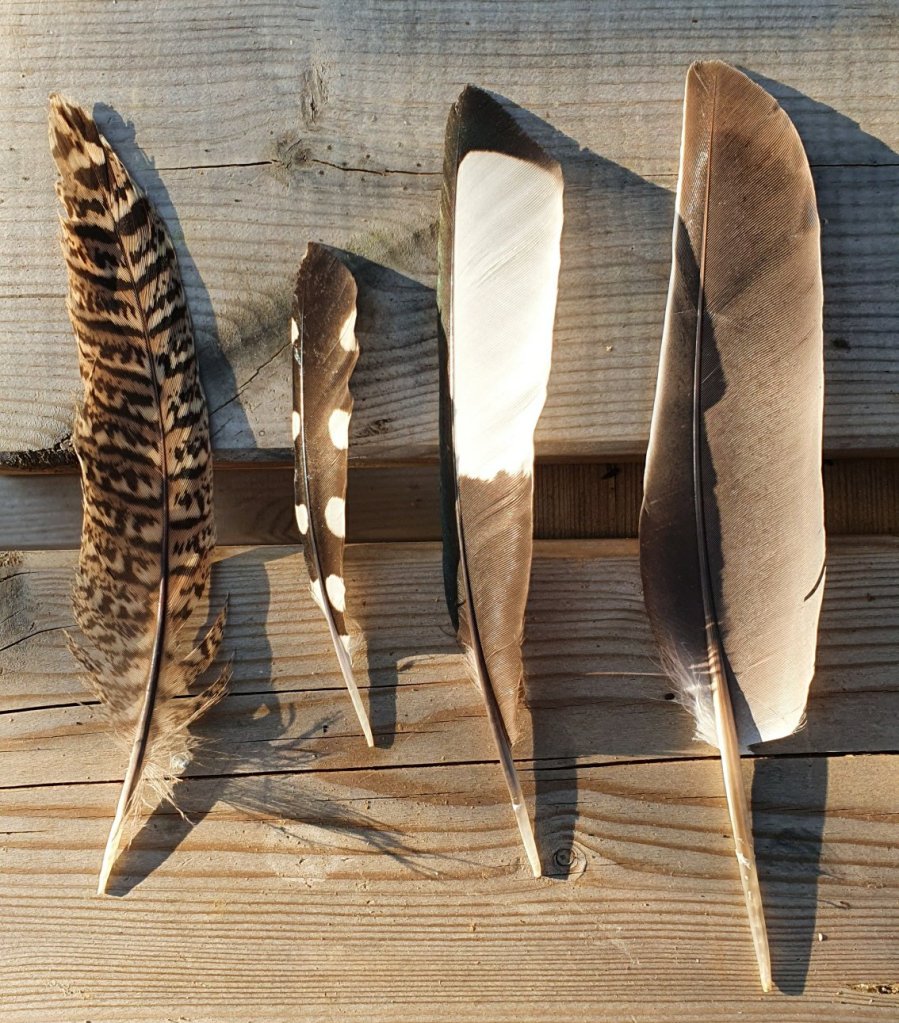
Female Pheasant, Great Spotted Woodpecker, Magpie, Collared Dove (L to R)

This year, with all of the walking during lockdown, I’ve collected a few feathers. I’m going to stick them in a book and date them. Why not? I might even do a drawing or two. The maths of nature always makes me tip a wink to creationist theory every so often (it obviously doesn’t stick). But each barb is coming off the main calamus (the central staff) at an almost dead-on 45° angle. The barbules cross each other at bang-on 90°. Why?

Feathers are a whole made of component parts and the names of these are all wonderful; umbilicus, calimus, barbs, barbiles and barbicels. What’s not to love?

Owning feathers as a grown up takes me back to those days and those feelings. They’re nature’s little trinkets and mean as much to me now as they did back then. But the rabbits foot was in a totally different league.

Day 118

Thursday 16 July

It’s a beautiful morning and I can do anything I want. A few days into the summer holiday and school already feels like a fuzzy memory. Nothing to think about except the here and now.

I’ve woken early naturally, probably because of the excitement that was welling inside me before I went to bed last night. I packed my school bag with a pretty tatty I-Spy book of Birds and a pencil with a rubber on the end. I also had a bunch of pages, torn from the back of a half-used reporters notepad. I’m not sure if was Mum or Dad’s. They’re stapled three times at the top. The curly, white shreds above create and oddly appealing fringe.

Downstairs, me and my sister make really jammy sandwiches on white sliced bread, naturally. Mum and Dad are still in bed. Our low fibre, high carb snack is intended for lunch but isn’t going to last past mid-morning. We empty the rest of the bread into the bread bin and put them in the now empty plastic bag. These join the pre-packed items in my school bag. I don’t remember us packing a drink.

Then we make our way quietly out to the back garden and get on our bikes to go on our birdwatching expedition. I couldn’t say where we went, I wouldn’t be able to retrace my tracks but I do remember the scenery around us.

We set up our lookout beneath some low branches of trees at the edge of a golden field of long grass. By late July meadows have gone over. The dry stems, heavy with seed, have folded. The majority of wildflowers have also gone to seed and to ground. It is sunny, warm (I’m wearing a t-shirt and some very roomy jeans).

The only ticks that are in my I-Spy book when we leave the field to return home are in pen. Robin, blackbird and wren, identified before this outing. The bag is a little lighter as we head back, our sandwiches have gone. I remember eating the jammy parts and throwing the crusts from our lookout under the trees. A very real, albeit hopeful, attempt at attracting an owl or kestrel to land in front of us. Pencil and pad at the ready.

We are back in-doors well before midday, and playing with friends in our cul-de-sac that afternoon. Despite our expedition yielding zero sightings, I count that as the first time I sat and purposefully watched for birds. Forty-odd year’s on, and one morning this summer break, I’m going to pack a jammy sandwich, get on my bike and have another go.

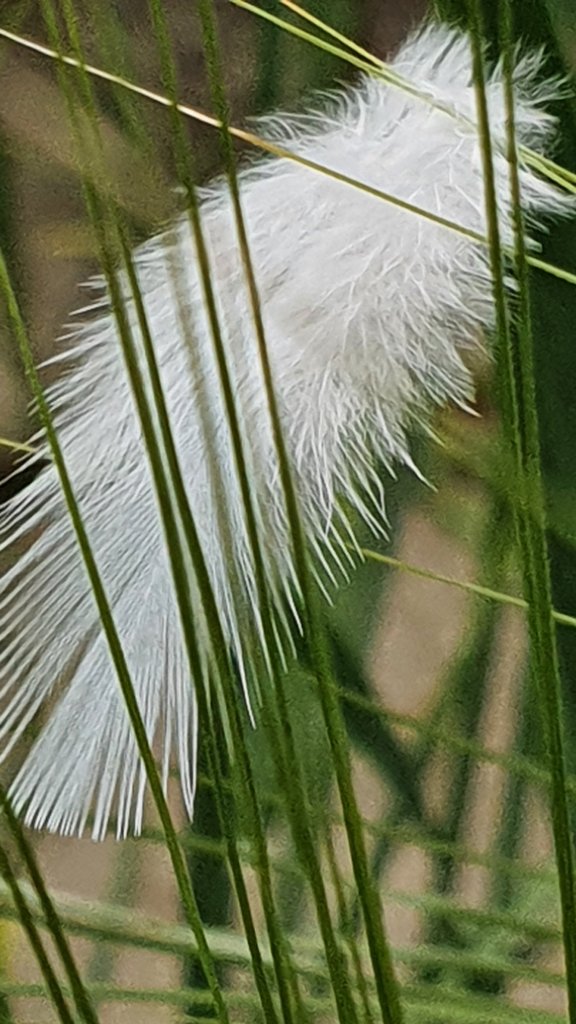
A preened downy feather from a collared dove. Caught-up in the grass below it’s regular perch in our back garden.

Day 117

Wednesday 15 July

It feels a bit odd to be writing about stuff not directly related to nature or the important stuff all around us. But there has been an interesting news item pop up on my phone whilst travelling home.

Going on current trends, the population of the planet is set to dramatically drop in around 80 years from now. Not overnight of course, but from now until then, there will be a steady but marked decline.

This will be in some countries more than others. So, in Japan for example, the population will halve, and there will be a similar decline in Italy. The northern hemisphere in general will see a significant drop. In Sub-Saharan Africa there will be a more steady leveling out.

I don’t tend to worry greatly about the impact we are having on the planet. I feel it’s a wasted feeling really, particularly over something I have no global impact over. I do my bit of course, but if we are hell bent on destroying what we have as a species then we should reap what we sow. Especially if will repeatedly ignore the signs. We don’t actually deserve our place on the planet.

I realise that all sounds a bit grumpy but it helps me. First, to rationalise our destructive behaviour and, second, to help me focus on what we are part of whilst we still have it.

Having too many people on the planet is the thing that I would contemplate whilst lying in bed at night. How will we feed everyone? What catastrophic impact will our expansion over land have on the other living things we are supposed to share Earth with? But, nature tends to find a way to manage the numbers.

There might be a global pandemic, or disease without a cure. Extreme weather, wild fires, floods, volcanic eruptions, earthquakes, tsunami, another ice age even? These come and go. But they won’t sort the problem of over-population, it is cultural.

So, mother nature let’s us do it ourselves. Socially we are always evolving. Technology means we do not need the same number of workers as we did in the past. We are having fewer children for a number of reasons, one being that women are having better, longer and more successful career opportunities, which is to be celebrated. This also means fewer babies are being born.

Our more sedentary life styles are leading to more heart disease and diabetes.

So, although it’s not nature biting back, it is our social evolution that will affect our population figures in years to come; and ‘if’ present trends continue.

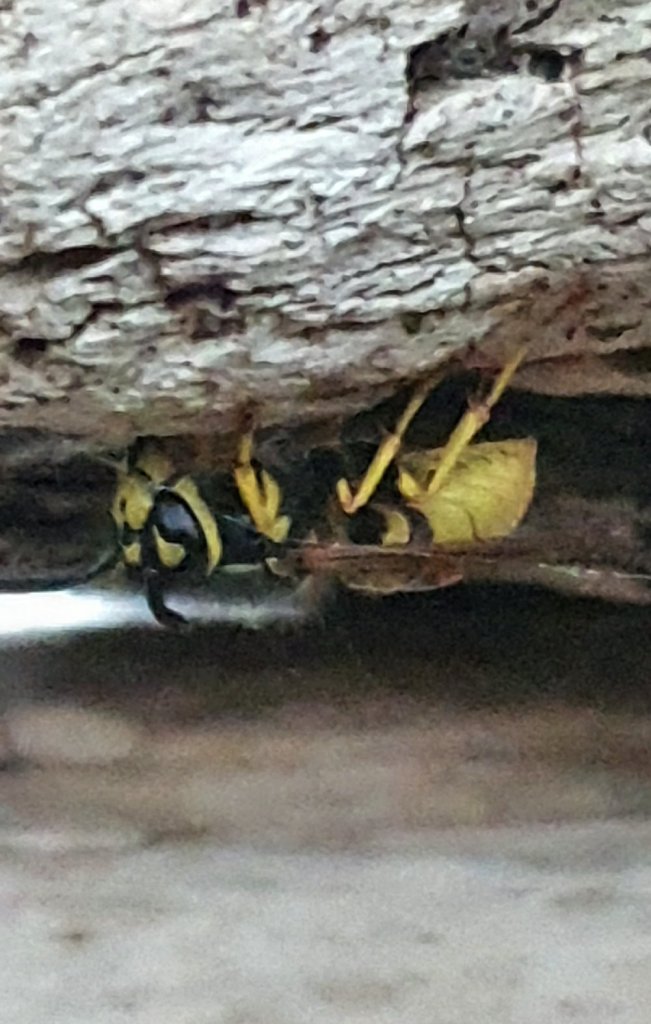
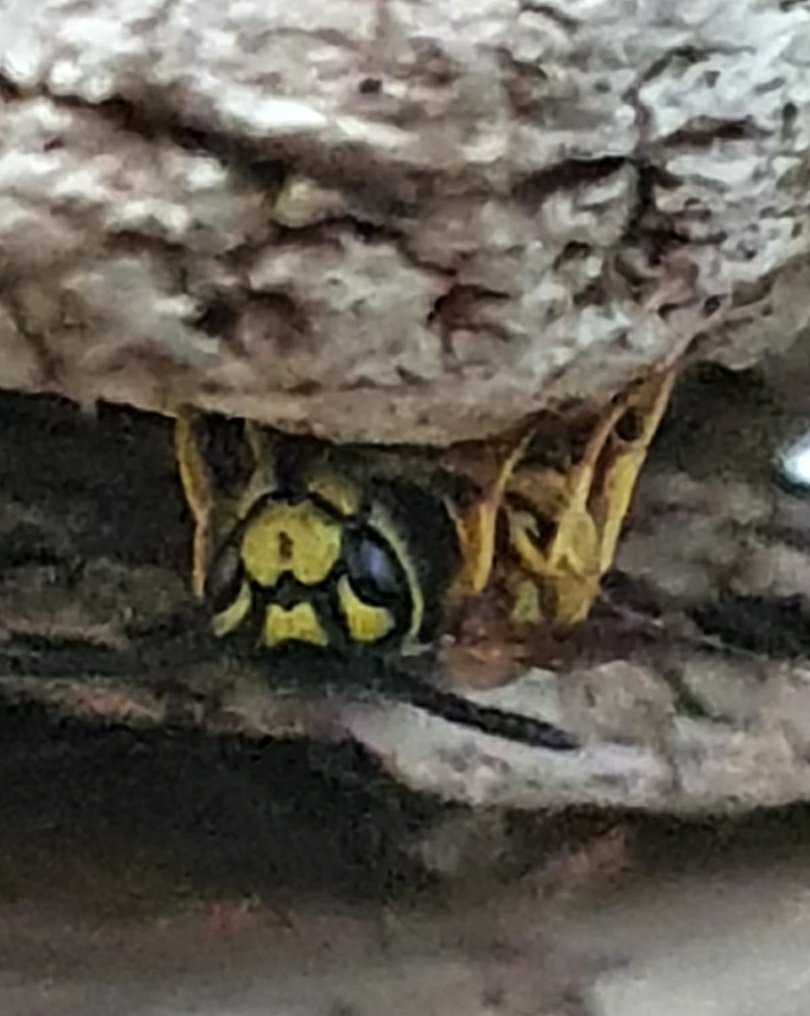
This chap was sheltering underneath a hanging piece of wood
He’s a German Wasp (Vespa germanica). Very similar to the Common Wasp but potentially more aggressive. Also, the Common wasp has an anchor shape on his face.

Ants live in communities of many thousands. Even they have evolved with factors that limit populations. For instance, only the Queen can reproduce and, they are of course predated on by other creatures. One of our big issues is that we are at the top of the food chain.

Bees swarm when their hives become overpopulated. The old Queen and hundreds of workers and scouts leave to find a new tree cavity to make home. They know, instinctively, when they are becoming over-populated.

Taken from an article online about wasps; “The parallels with human societies are uncanny: there are specialist work forces, rebellions, policing, leadership contests, undertakers, police, even free-loaders and anti-social thugs. You name it, social wasps have it.” What a great day to draw comparisons between a highly efficient societies like the wasps and the human societies which are heading to trouble ahead.

Day 116

Tuesday 14 July

It’s been a while since I have referred to coronavirus in this blog. I guess this is partly because I (and many others) am bored of it as a all as a talking point. Perhaps also because it’s a bit depressing really.

Plenty of chat about the use of face masks at the moment. Are they helpful, are they not? In the US many believe it’s an infringement of their civil liberties. Also, we have had a lockdown extension in Leicester and there are a few more potentially, including Blackburn.

A couple of fascinating things observed on our walk this evening. Although nature is going through a bit of an afternoon nap at the moment, there are still a few treasures that unveil themselves.

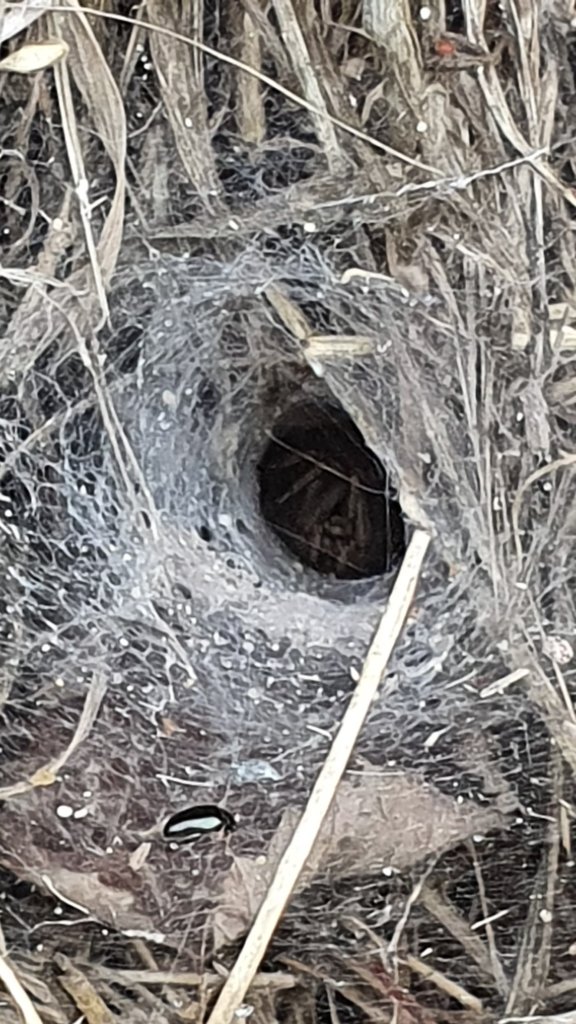
The talented architect of low-level silk tunnels. The Labyrinth Spider (Agelena labyrinthica). Zoom in and you might just see her.

I counted seven of these spider webs at the base of the hedgerows near us. Although the web is quite clearly funnel shaped, they clearly aren’t the infamous funnel-web – they live on the other side of the world. These are the UK’s own Labyrinth Spider. These build quite elaborate nests of interconnecting silken tunnels that start at the opening we see here. Everything eventually leads, however, to their suspended egg sack.

Then there were these little towers of berries protruding from the grass and leaf litter. I believe this is from the plant Arum maculatum otherwise known as Lords-and-Ladies. It is a bulb that flowers in May/June but has these protruding shafts of bright fruits afterwards.

The berries are poisonous (brightly coloured things usually are) and the juice from them is a skin irritant. So best to stay away when you see them in the hedgerow.

I wonder, if that was a group of flowers of the same colour we would love them. Bringing a splash of colour to the brown hedgerow floor. But because they’re berries, I instantly see them as dangerous. Is that a natural instinct or one we have been taught?

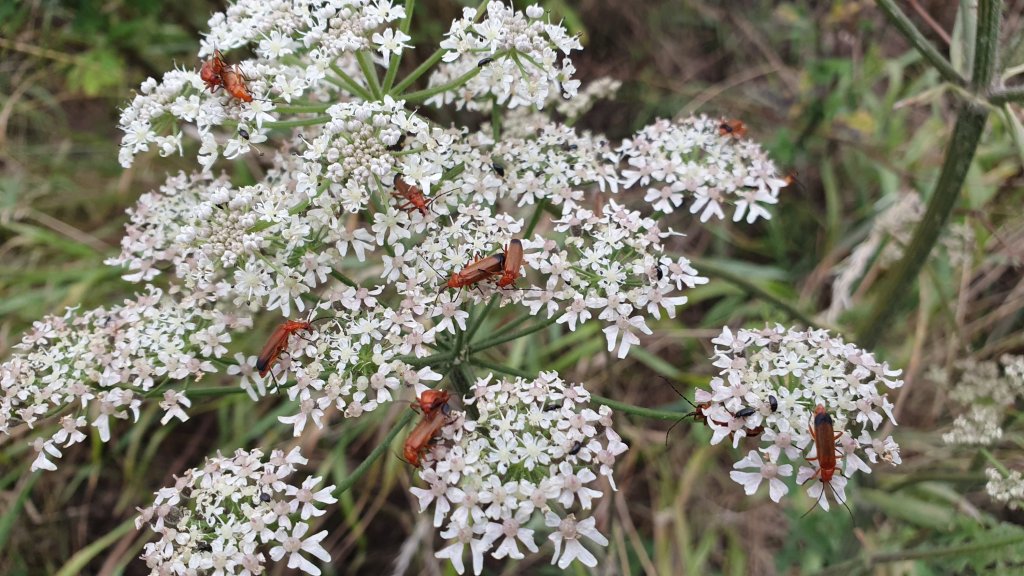
Just to finish off. I mentioned in a previous post about these little Red Soldier Beetle. They’re other name is the Hogweed Bonking Beetle. Well, this is a veritable orgy (with one or two around the outside watching). Filthy.

Day 115

Monday 13 July

Yesterday’s post has had me thinking about trees quite a lot today. The relationship between trees and nature is well understood. A provider of food and shelter. A navigable network of routes to get from A to B to C to other tree. A nesting place, a resting place.

Faces in the woods? I have always loved trees that stand alone, but when outnumbered by them, my imagination will sometimes get the better of me.

Our relationship with trees is more complex. I have always felt that on a one-to-one basis it is almost romantic, happy, bright. On it’s own a tree is reliable and supportive, an island of safety. Put a platform in it’s branches or hang a swing from it, and it becomes a playground. Children play, couples fall in love, weary walkers rest. We sing of tying yellow ribbons around them.

However, put a number of trees together, and the relationship changes. When we become outnumbered by them, they can become more mysterious, shadowy and sinister. Temperatures drop and darkness prevails; it gets cooler and darker the deeper you go. We talk negatively of going ‘deep’ into a woods or forest; deep water, deep space, deep winter all conjure thoughts of danger and threat, of the unknown.

A larger wood is something you can get lost in, you can become separated from your companions. Bad people live in the woods. Spirits that are out to trick you. A sound seemingly comes from all around you, it’s hard to determine from which direction. You become disorientated, confused, irrational.

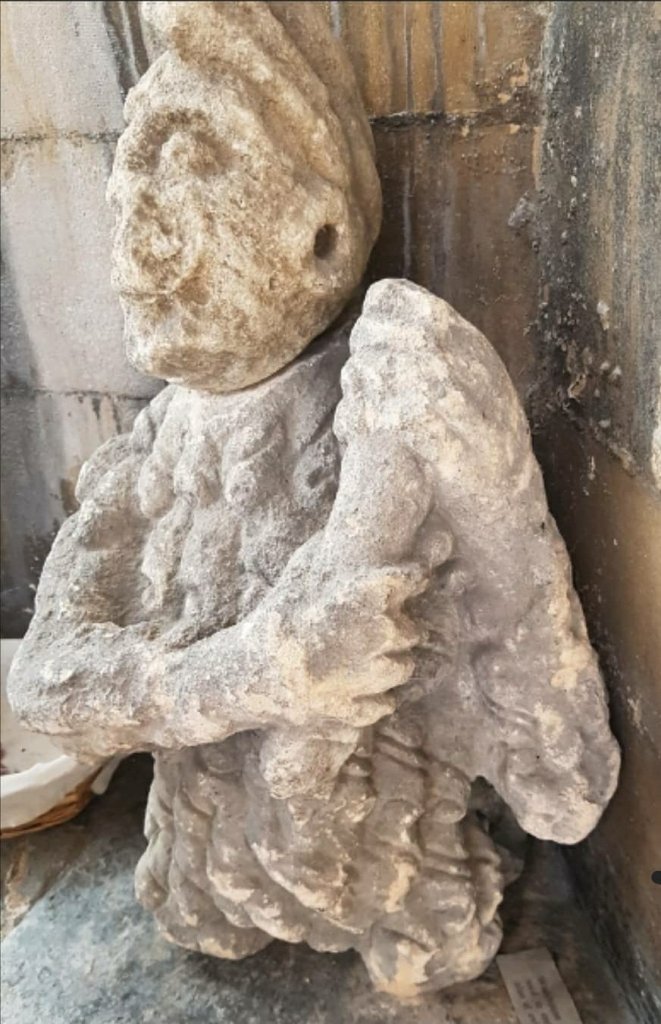
Last year, after hearing a radio programme about the legend of the Green Children of Woolpit (a tale for another post), I went to visit the church there. The same programme talk of the Wild Wood Men of Suffolk. Tales told of strange, forest dwelling wild men, the Wodewose; naked, covered in hair and often depicted carrying a club.

The wodewose of Woolpit, Suffolk. This strangely haunting figure is weather-worn and has been brought inside the church.

These strange men would personify the spirit of the woods, and representations of them would often be sculpted on to or near to churches. Even godly people preferred to keep the Wodewose happy.

They were guardians whose role it was to protect the woods. They might also make judgements on those that passed through, providing safe passage for the righteous. As for the unrighteous, well I guess the trees themselves would decide their fate.

Day 114

Sunday 12 July

I have two books on the go at the moment. They’re both on the theme of nature but both very different about their subjects. In both, trees feature so prominently, and yet neither is specifically about trees.

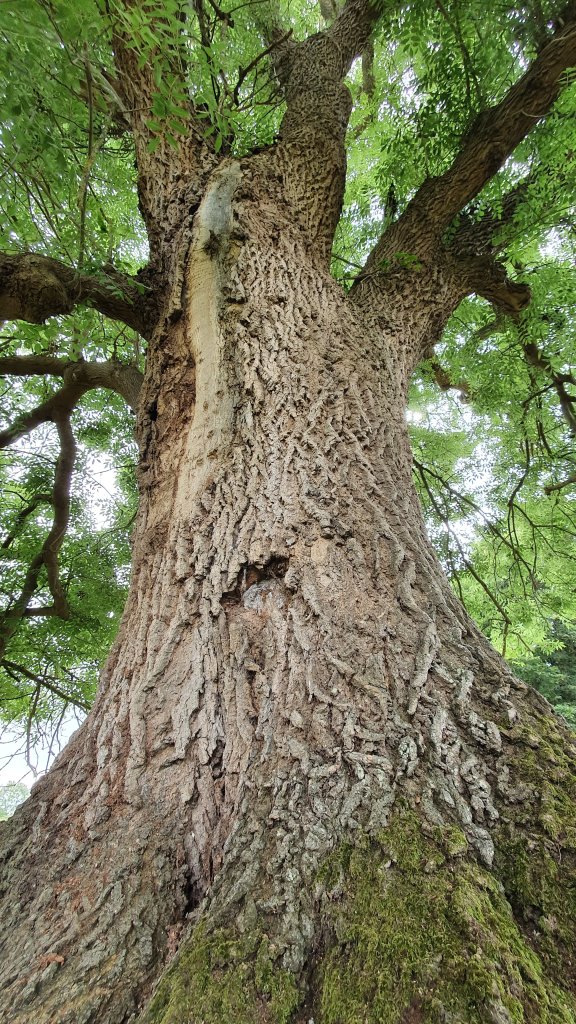
A big, old Ash tree (Fraxinus excelsior) on our walk yesterday. And I thought bumble bees had the best Latin names?

I guess that’s not too surprising. But in both, and in any other book I have read where trees get a mention, their status is often revered, even feared. They’re wise, old, experienced. They withstand hundreds of years of weather, extremes of drought and rain, freezing cold and blistering heat.

They provide shelter to generation after generation of mammals, birds and insects. Many raise their young in the arms of their branches. The young fly off to foreign lands only to fly back again the following spring to the same tree to raise their own families. Some animals hibernate in the tree’s womb-like hollows or underground amongst its wrap-around roots.

The tree provides early nutrition to invertebrates, who scurry, slide or crawl under leaves, along branches and in-between the ridges of the bark. These, in turn, get fed on by predators further up the food chain. So, many creatures consider the tree their home and larder.

For walkers, the old tree provides a welcome resting place to sit or lean against. To eat a sandwich or sip a cup of tea under. The thick canopy provides cool shade from the sun and shelter from that sudden downpoor. That big old tree is a local landmark, the meeting place, the waypoint on a journey. Ropes hang from it. Houses are built in it. Names are etched in it with a heart shape in between.

Life courses through it. So much science occurs in it. Every year, stored energy unfurls leaves and fills plump, new fruits and wholesome nuts. They fall, providing food for those below, shelter for countless invertebrates and nutrients for the soil. Some may take root and grow in awe of their towering parent. And then, a year later, it does it all again. Trees look after each other.

When I was a child, I really wanted trees to talk. I feared they may walk. Today, when I come across a big old tree, I try to imagine the stories they may have to tell. The characters they have seen, the conversations they have overheard, and what they make of it all.

Day 113

Saturday 11 July

Yesterday, I felt a little down about the end of the spring-summer sprint. Back in March, nature’s bottle of fizz gets shaken vigorously then, POP! The cork flies and spring comes frothing out all over the place. This spring-time effervescence continues to flow for quite a few weeks, months even, cascading into summer. So much energy, sounds that excite, vibrant colours and new life. Just so much energy!

Then, after just a few days of rain, there’s a change. The energy reduces. The day time temperatures cool and the evening grass dampens.

But, of course, this does not mean the summer is over. Of course not! Why did I fill my cup with flat cola yesterday? The summer fun still has a good month or so to go. These past few days have been a blip, not a trend. The spring fizz may have gone, but there are still the zesty, chilled whites and long, warm reds of summer yet to be enjoyed.

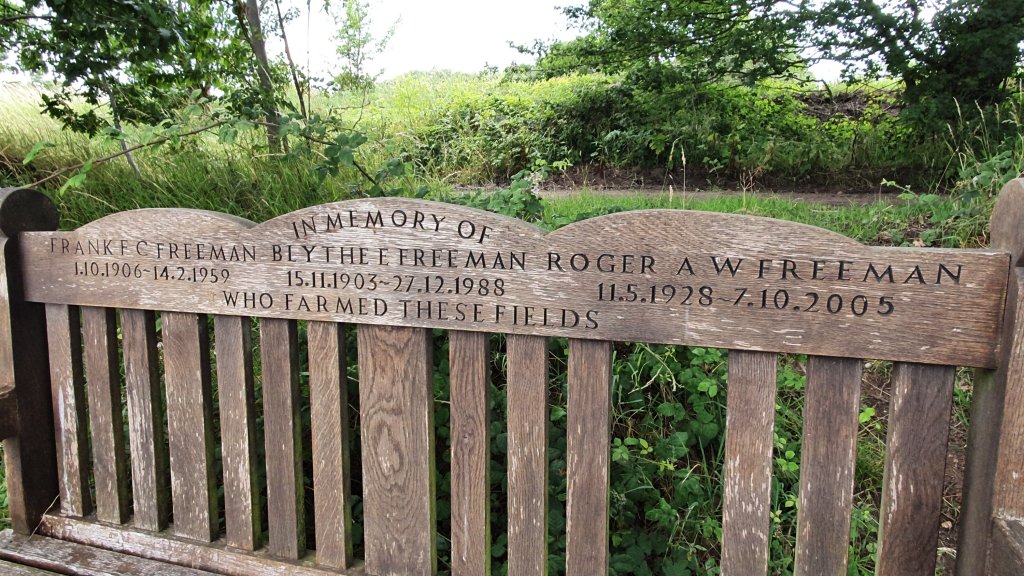
Two generations of a family who farmed the land we walked along this afternoon are remembered on this bench.
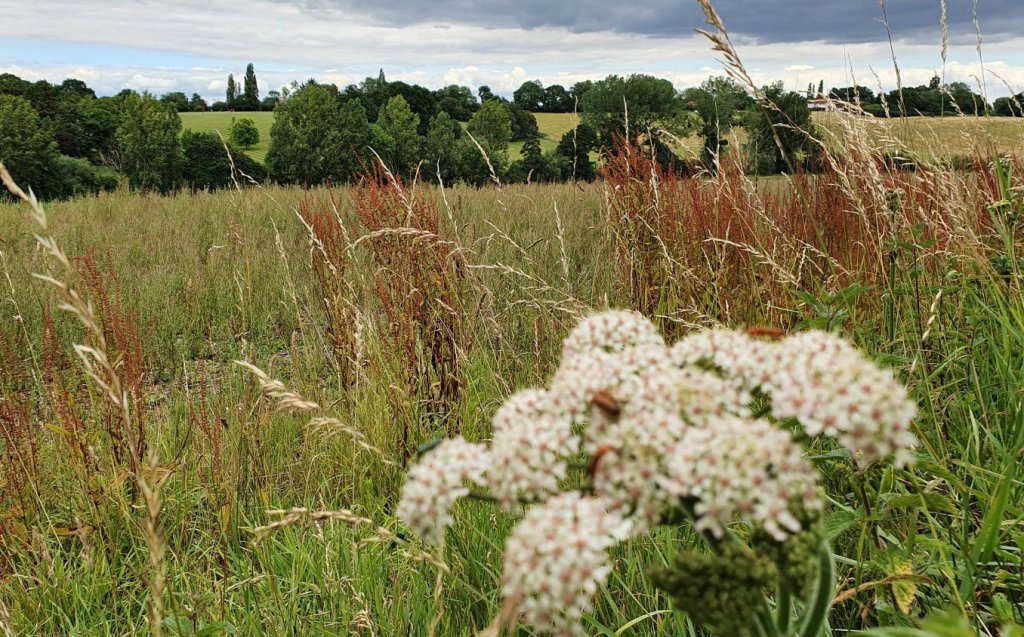
And what a patch of land to farm? The view from the bench.

Me and Lisa took Mabel for a walk today. This route was new for me and relatively new for them too, and I realised how important it is to see new things. Ok, so it was only a walk but at times I was really excited by the strange lanes, the unexpected turns, the dips and rises, the ponds, the massive trees, flowers, insects…..

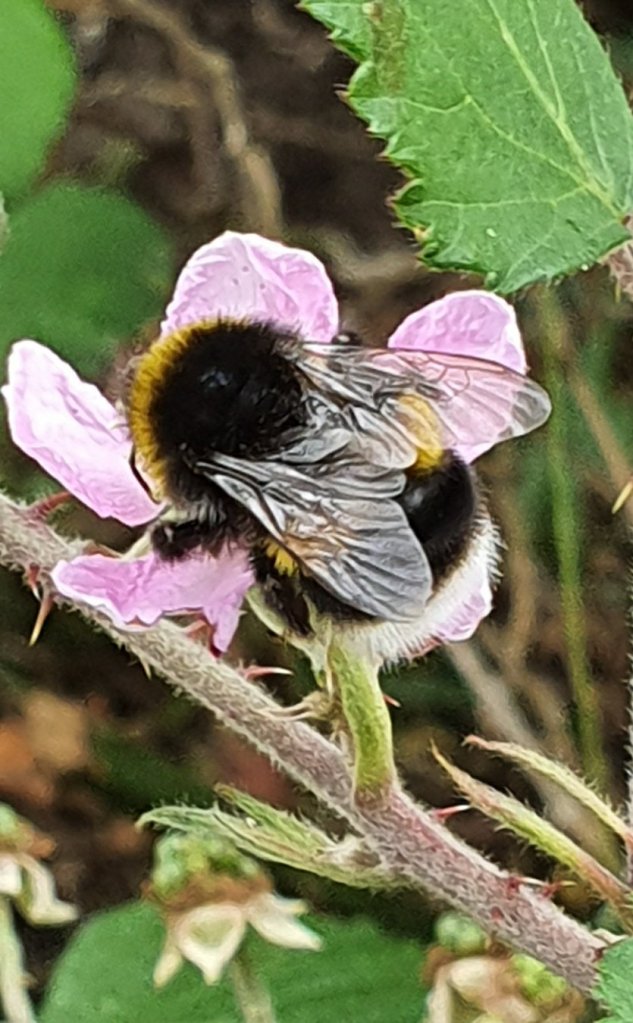
The hedgerow was buzzing with Buff-tailed bumblebees (Bombus terrestris) on the brambles today.

I hadn’t been for a walk for a few days and this is now a daily need, not just for Mabel for us too. I need to mix up the paths I tread so that when I return to them, there is visible change. I also need to experience new paths, ones that have never had my feet on them before. During this walk today, I saw so much, shook myself and reminded myself that we are only in July – there’s still loads of summer left. Let’s open another bottle.

Red Campion (silene dioica) a sign of woodlands past and present. Also, according to folklore, protects fairies and prevents them from being discovered.

Day 112

Friday 10 July

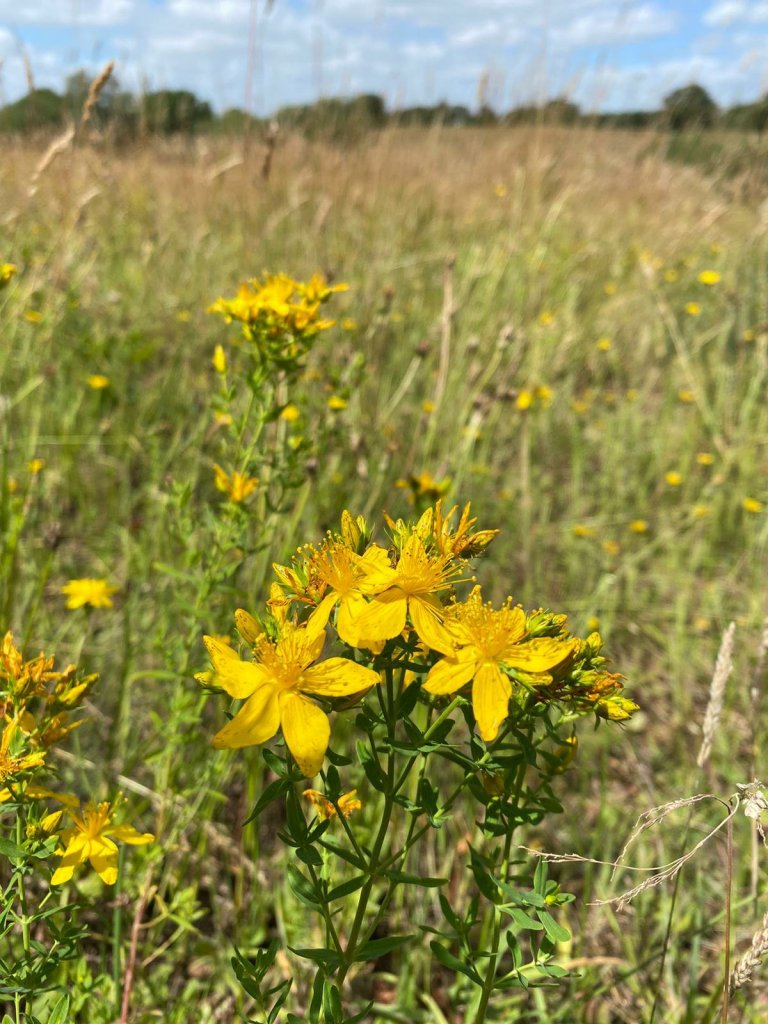
St John’s Wort found by Adora during a walk this week. It has a long history in alternative medicine, and one of the few flowers that has not ‘gone over’ yet.

The sparrow nest box at work has a new brood of young in there. It’s very good news and is fuelling my plans for the future use of the outdoor space. I haven’t seen the kestrels for a few days now – it may be due to the damp weather of late?

Typical of this period of lockdown and change, I have noticed something this week that I have never noticed before.

The colours in the trees, the hedgerows and in the fields is much more tired than I have ever realised. Everything looks well-worn and as if it has run out of energy.

I have been lucky to have watched the spring sprint as nature burst from it’s blocks and powered forward. For a month or so, it maintained a furious speed where everything was neon with sound of rampant birdsong as it’s accompanying soundtrack. Bright colours, wild behaviours. Understandably, that pace was not sustainable.

Everything has calmed down now. The newness and excitement has subsided. The birds are quieter and the greens are darker. Summer hasn’t finished yet, the race isn’t run, but everyone and everything needs a rest.

Day 111

Thursday 09 July

It’s been raining for the past couple of days. In this country we tend to refer to rainy, grey days in the negative. There are exceptions of course. If there has been a prolonged period of no rain then we might see a shower as a bit of light relief, and gardeners are always grateful. But, it won’t take long before we are bemoaning it.

The natural world, on the other hand, takes it all in it’s stride. It appreciates that wet days are as welcome as dry days or indifferent days.

Of course, I have absolutely no scientific evidence to back this claim up. I haven’t interviewed any flora or fauna, but we do know that everything just keeps ticking along. I may not have heard any butterfly moaning that it has had to stay under the nettle leaf all bloody day due to the wind and rain. But I do know that it bides it’s time until the wet weather passes and returns to it’s fluttery life.

Common red soldier beetle (Rhagonycha fulva) found on our short, damp walk this evening. In their relatively short adult life (June to August) they spend much of their time mating; their popular name is the Hogwood Bonking Beetle!

The point is to be grateful for all days and all weathers. Smile at the rain as well as the sun. Be grateful for both, because both are necessary. Without one, there would not be the other.

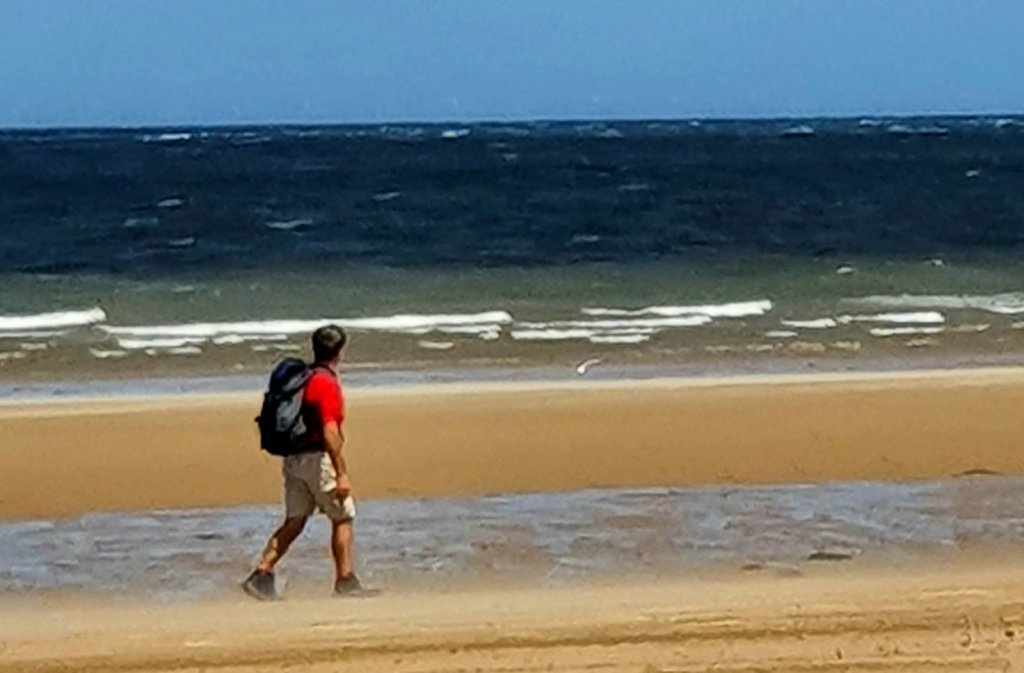
At the weekend, I set a competition for the walkers of the Gentleman’s Film and Leisure Club. They had to submit a picture, taken on the day, of a scene showing ‘sea and land’. The winner gets a volume from the infamous natural history series of books. This week’s prize? A copy of ‘I-Spy At the Seaside’.

Mark is this walks winner! The different stripes of land and sea, the cloudy sand blurring Jim’s feet. And Jim himself, contemplatively gazing out to sea whilst walking on to his destination.